Massage Therapy
Massage at On Point Acupuncture & Wellness is not a spa service. It is clinical bodywork — performed by licensed massage therapists trained in medical and therapeutic modalities, calibrated to your specific presentation, and integrated with the acupuncture and TCM care that defines this practice.
Whether you're recovering from injury, managing chronic pain, clearing post-surgical swelling, or simply maintaining the tissue health that consistent training demands — every session at On Point is built around a clinical goal, not a menu of options.
15+
Years treating pain
2,500+
Patients treated
95%+
Report significant improvement
— WHY ON POINT?
Why Massage at a TCM Clinic Produces Different Results
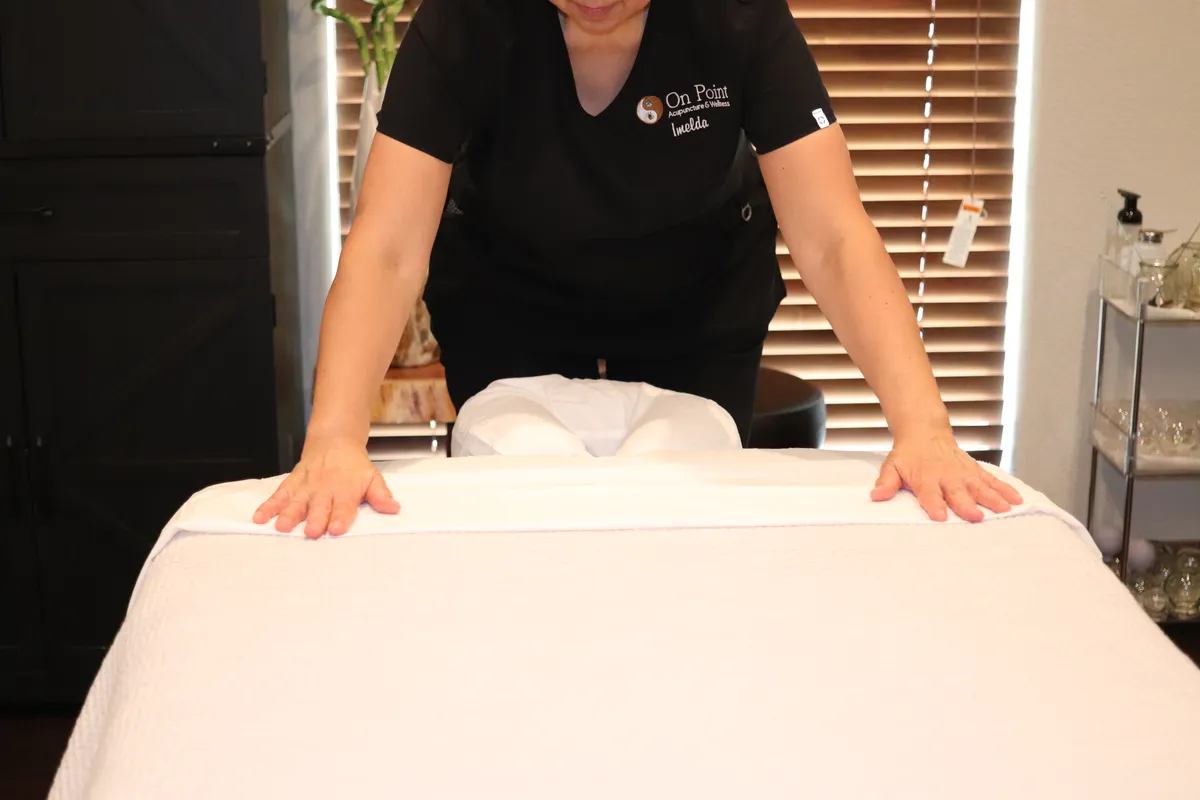
Most massage works where it hurts — relief that fades until the same pattern rebuilds. That’s not a knock on massage. It’s what happens when bodywork runs without a deeper clinical picture behind it.
At On Point, every session is performed by a licensed massage therapist working from real anatomical and neuromuscular training — so the work addresses not just where you’re tight, but why, with results that compound instead of resetting.
And when you’re also receiving acupuncture, the two work together — layering TCM pattern diagnosis onto your bodywork so tissue and nervous system get treated as one.
Book on its own, or paired back-to-back with acupuncture.
— MASSAGES WE OFFER
Click any massage for a full explanation of what is does for you.
Flowing strokes that activate the parasympathetic nervous system, reduce cortisol, and release the muscular tension that chronic stress builds layer by layer.
Sustained, specific pressure that reaches deeper tissue layers — releasing chronic holding patterns and trigger points that surface work never touches.
Gentle rhythmic strokes that clear post-surgical swelling, reduce inflammation, and restore the immune function that lymphatic stagnation undermines.
Sustained pressure held until the connective tissue releases — addressing the chronic fascial restrictions that don't show on imaging and don't respond to conventional massage.
Decompressive suction that lifts the fascial layers and drives fresh circulation into stagnant tissue — reaching depths that compressive massage cannot.
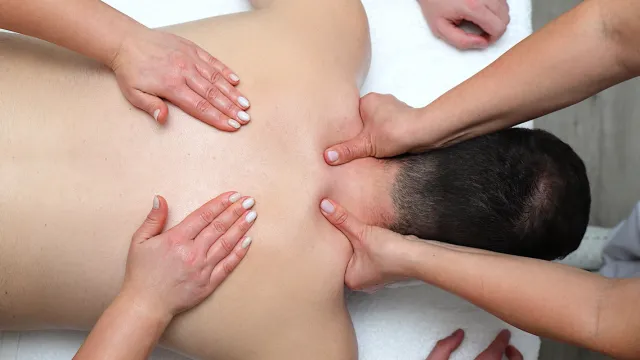
Two licensed massage therapists working in sync. With two sets of hands moving at once, your nervous system stops trying to track the work and lets go deeper and faster than it can in a standard session.
— A MASSAGE WITH ON POINT
Your Massage Care Team
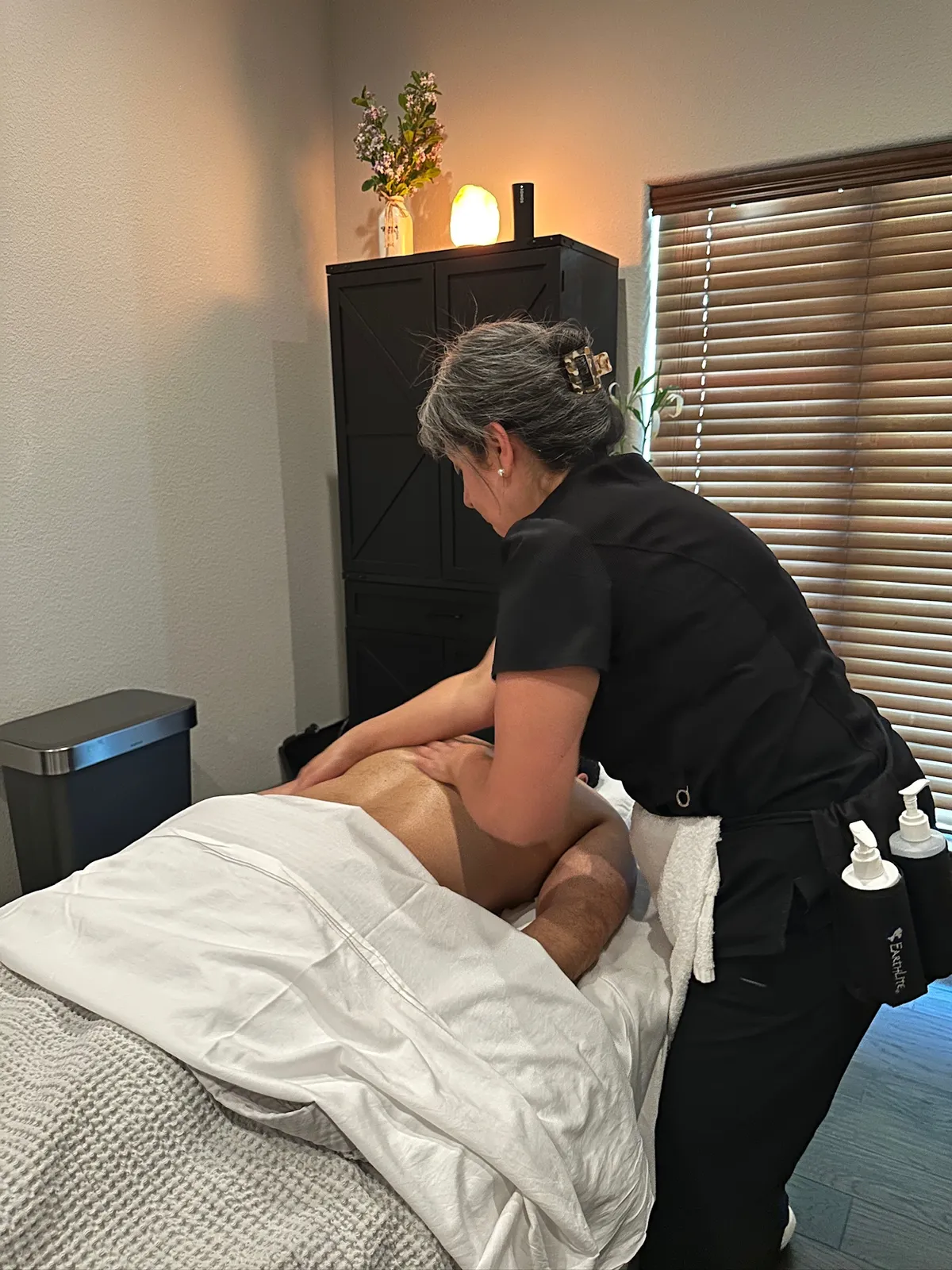
Massage therapy at On Point is performed by licensed massage therapists with advanced training in therapeutic and medical massage modalities. Every session begins with a consultation to understand your specific goals, history, and presenting concerns — because the same modality applied without clinical context produces average results, and average results are not what this practice is built for.
To book a massage session or inquire about availability, call us directly at (972) 863-2895.

— OUR APPROACH
We don’t just work where it hurts. We find out why.
Every client leaves knowing more about their body than when they arrived. Posture, breathing, mobility, hydration, and daily habits: the foundation that keeps tension from coming back.
Assessment of posture and the tension patterns behind your pain
Breathing techniques that help your body fully let go
Hydration guidance that supports tissue recovery
Stretches and mobility tips to use between sessions
Optional pairing with acupuncture for a layered approach
— SWEDISH MASSAGE
Swedish Massage
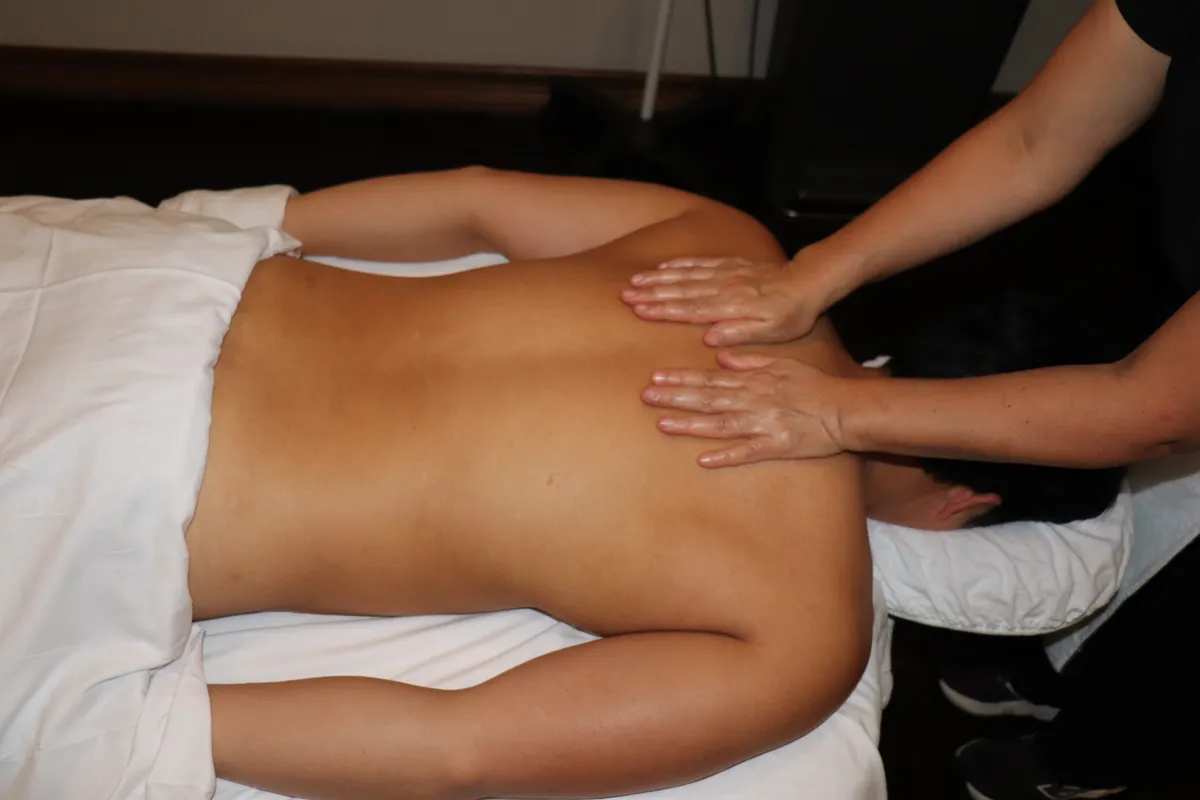
Swedish massage is the foundation of Western therapeutic bodywork — and when performed with clinical intention rather than routine, it is one of the most powerful tools available for nervous system regulation, circulatory restoration, and the kind of deep tissue relaxation that stress physiology actively prevents.
Most people understand Swedish massage as relaxation massage. That framing undersells it. The physiological effects of well-applied Swedish technique — sustained parasympathetic activation, measurable reduction in cortisol, improved lymphatic and venous return, and the release of the chronic low-grade muscular tension that accumulates under sustained stress — are clinically meaningful outcomes, not luxury add-ons.
For patients whose primary driver is stress, nervous system dysregulation, or the physical toll of chronic anxiety, Swedish massage is often the highest-leverage single intervention available.
To book a massage session or inquire about availability, call us directly at (972) 863-2895.
What Swedish Massage Addresses
Chronic stress and its physical manifestations — elevated muscle tone, shallow breathing, sleep disruption, headaches
General muscular tension without specific injury — the pervasive tightness that accumulates across the upper back, shoulders, and neck under sustained stress load
Poor circulation and tissue stagnation — Swedish technique's effleurage strokes directly improve venous and lymphatic return
Nervous system dysregulation — the sustained parasympathetic activation of a well-delivered Swedish session produces measurable HRV improvement and cortisol reduction
Sleep quality — patients who receive regular Swedish massage consistently report improved sleep depth and duration, particularly when sessions are timed in the evening
General recovery maintenance — for patients between more specific therapeutic interventions, Swedish massage sustains the tissue quality gains achieved through targeted work
What a Session Looks Like
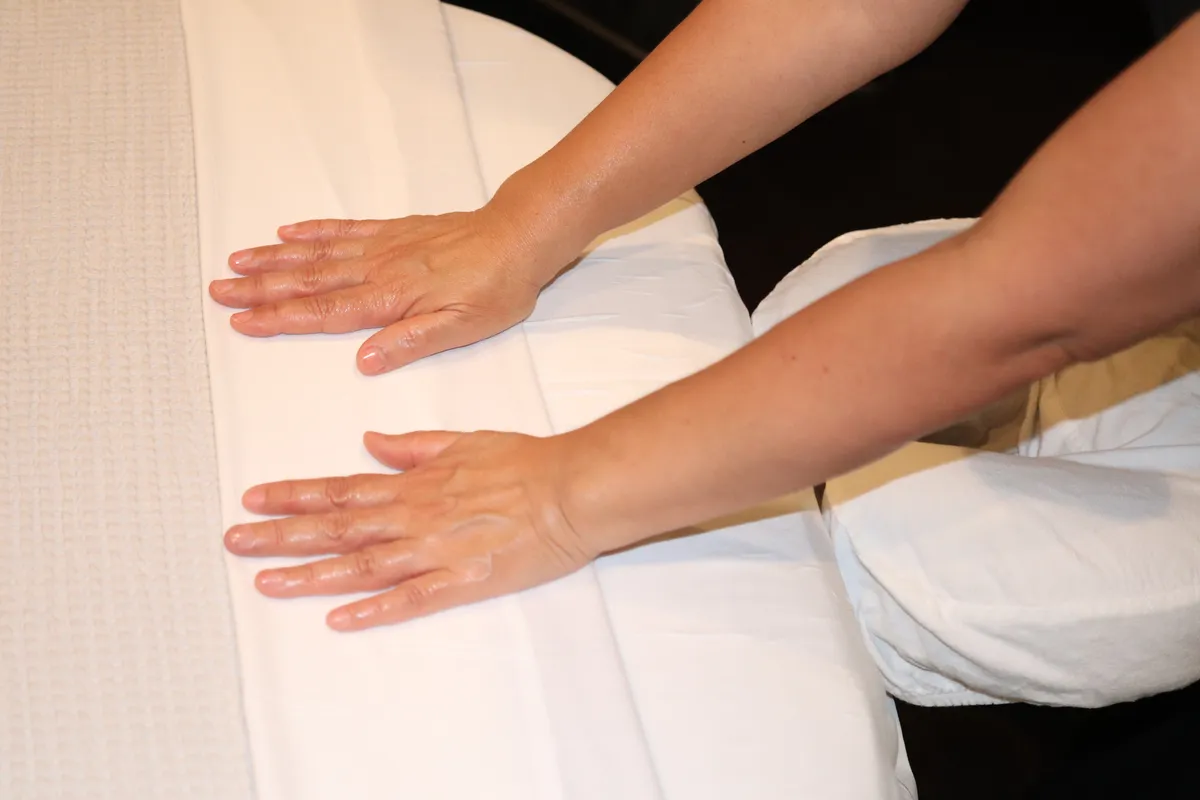
Sessions begin with a brief intake covering your current stress load, areas of primary tension, pressure preferences, and any areas to avoid. Technique includes long gliding effleurage strokes, petrissage (kneading), rhythmic tapotement where appropriate, and passive joint mobilization. Pressure is graduated — from light surface work that activates lymphatic flow to moderate depth that reaches the muscular layer — always calibrated to your tissue's response rather than a fixed protocol.
Sessions can be enhanced with aromatherapy using therapeutic-grade essential oils selected for your presenting pattern, or paired with hot stone application for patients with significant cold-pattern tension or chronic muscular guarding.
FAQ's
Is Swedish massage just for relaxation, or does it have clinical benefits?
Both — and the distinction between relaxation and clinical outcome is less clear than most people assume. The parasympathetic activation that Swedish massage produces is a measurable neurological state change with downstream effects on cortisol, sleep quality, immune function, and the chronic muscular tension driven by sustained sympathetic overdrive. For patients managing stress, anxiety, insomnia, or the physical toll of chronic nervous system dysregulation, Swedish massage is a clinical intervention — not a luxury.
How often should I get Swedish massage for stress management?
For active stress management, once per week produces the most consistent nervous system regulation benefit. Biweekly is the minimum frequency that produces cumulative improvement rather than simply resetting between sessions. Monthly maintenance sustains the gains achieved through more frequent initial treatment. The right frequency depends on your stress load, lifestyle, and what you're pairing massage with — patients receiving regular acupuncture alongside massage typically require less frequent massage to maintain the same outcomes.
Can I combine Swedish massage with acupuncture in the same visit?
Yes — and this is one of our most effective combinations. Acupuncture regulates the nervous system at the neurological level; Swedish massage reinforces that regulation through the somatic (body) level simultaneously. Back-to-back sessions — acupuncture followed by Swedish massage — produce a depth of nervous system downregulation that neither achieves as fully alone. Many patients describe this combination as the most profoundly restorative experience they've had.
— DEEP TISSUE
Deep Tissue Massage
Deep tissue massage is the most misunderstood modality in therapeutic bodywork. Most patients associate it with aggressive pressure — the "no pain, no gain" approach that leaves you sore for three days and temporarily loosens tissue that tightens back within a week.
That is not deep tissue massage. That is deep pressure massage — a meaningful distinction.
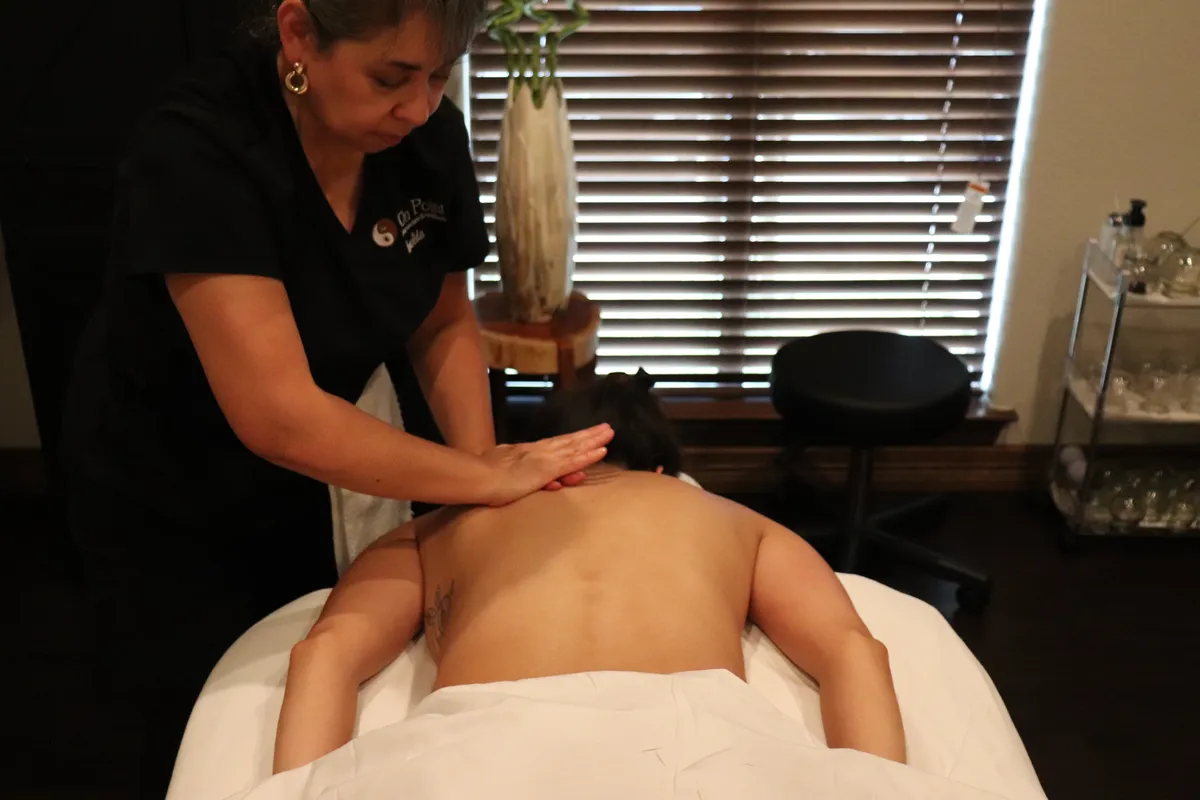
True deep tissue work accesses the deeper layers of muscle and connective tissue through sustained, specific pressure applied slowly enough that the tissue releases rather than guards. The goal is not to force the tissue to yield. It is to create the conditions under which it chooses to. That distinction determines whether the results last three days or three weeks.
At On Point, deep tissue technique is applied with anatomical precision — targeting the specific muscle groups, fascial planes, and trigger points driving your presentation, not simply applying maximum pressure across a broad area.
To book a massage session or inquire about availability, call us directly at (972) 863-2895.
What Deep Tissue Massage Addresses
Chronic muscular pain — the persistent, positional aching that lives in specific muscle groups and doesn't resolve with rest or stretching
Postural imbalances — chronically shortened pectorals, overloaded upper trapezius, inhibited glutes and hip flexors that create the pain patterns driving most desk worker and athlete presentations
Trigger points — hyperirritable nodules within muscle tissue that refer pain to distant sites, creating the "mystery" pain patterns that don't respond to treatment of the area where pain is felt
Injury rehabilitation — scar tissue, adhesions, and the myofascial restrictions that develop around injured tissue and limit both pain-free movement and full functional recovery
Athletic recovery and performance maintenance — restoring the tissue quality in overloaded muscle groups between training sessions
Tension headaches — deep tissue work to the suboccipital muscles, SCM, and upper trapezius directly reduces the referred pain patterns that drive chronic tension headaches
What a Session Looks Like
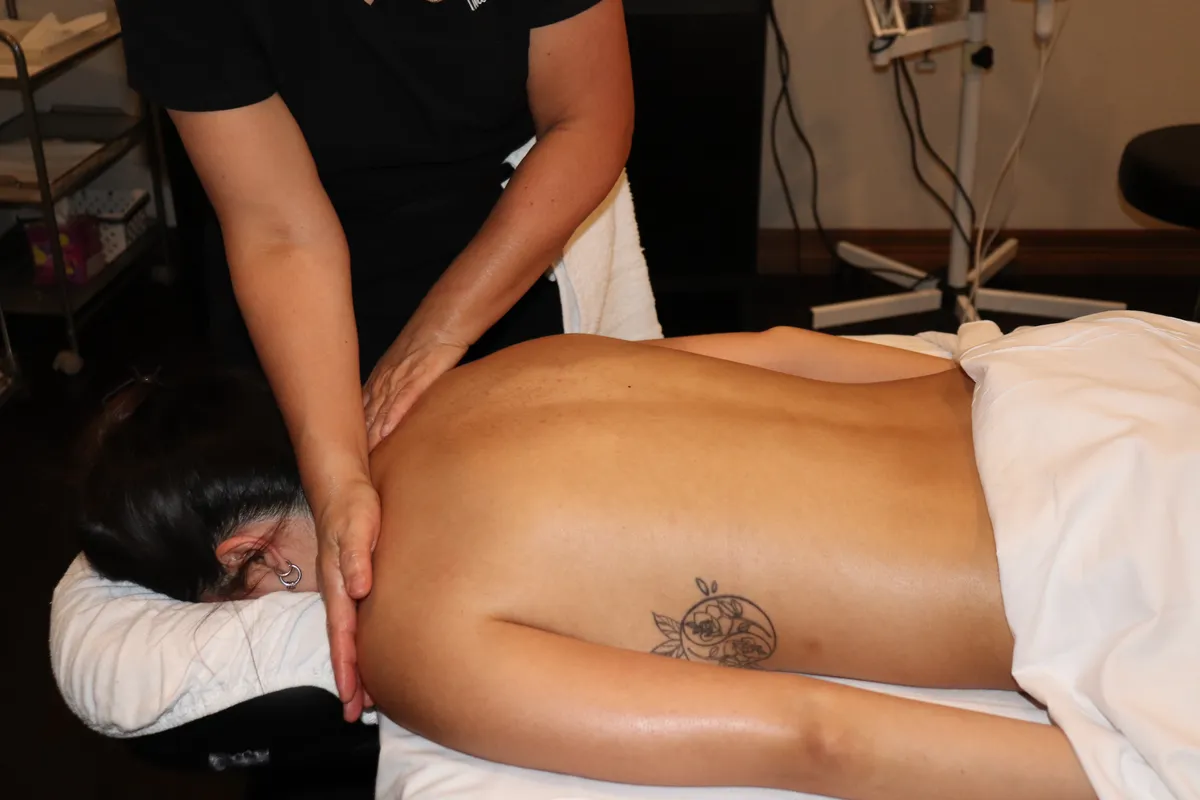
Sessions begin with a thorough intake covering your pain history, primary areas of concern, and functional limitations. Technique includes slow, deliberate stripping strokes along muscle bellies, cross-fiber friction at attachment sites and trigger points, sustained ischemic compression for trigger point release, and myofascial work at the fascial planes between muscle groups. Pressure is always calibrated to tissue response — "productive discomfort" is the target, never pain that causes you to guard or brace.
Communication during the session is active — your therapist checks in regularly to ensure pressure and technique are within the therapeutic window for your tissue on that day.
FAQ's
Will deep tissue massage make me sore afterward?
Some post-treatment soreness — particularly in areas of significant chronic tension or active trigger points — is normal and typically resolves within 24–48 hours. The goal is productive discomfort during the session and mild soreness after, not pain that disrupts your function. Hydration before and after your session significantly reduces post-treatment soreness. If you experience significant pain beyond 48 hours, communicate this at your next session so technique can be adjusted.
How is deep tissue different from sports massage?
Deep tissue massage targets the chronic holding patterns, postural imbalances, and myofascial restrictions that accumulate over time — it is appropriate for both athletes and non-athletes. Sports massage applies many of the same techniques but is specifically sequenced for the demands of athletic training — pre-event activation, post-event recovery, and in-season maintenance. At On Point, deep tissue and sports massage principles are integrated based on your specific presentation and goals rather than applied as distinct protocols.
I have a herniated disc. Is deep tissue massage safe for me?
Deep tissue massage can be both beneficial and contraindicated for disc presentations depending on the specific disc involved, the stage of the condition, and your current symptom picture. We review your full history before applying any deep pressure near the spine. For most disc patients, deep tissue work to the surrounding musculature — releasing the protective spasm that compounds disc symptoms — is both safe and highly beneficial. Work directly over an acutely herniated segment is avoided. Kalpesh coordinates with your massage therapist when spinal conditions are involved.
— LYMPHATIC DRAINAGE
Lymphatic Drainage Massage
The lymphatic system is the body's primary waste clearance and immune regulation network — and it has no pump. Unlike the cardiovascular system, which has the heart to drive circulation, the lymphatic system moves entirely through muscle contraction, breathing, and the gentle pressure of surrounding tissue. When that movement is disrupted — by surgery, injury, illness, inflammation, or simply the sedentary patterns of modern life — lymphatic fluid stagnates, tissue swells, and the body's ability to clear metabolic waste, inflammatory byproducts, and immune challenges slows dramatically.
Lymphatic drainage massage restores that movement through a specific, gentle technique that follows the anatomy of the lymphatic vessels — driving fluid toward the lymph nodes where it can be processed and cleared.
The key word is gentle. Lymphatic drainage massage uses significantly lighter pressure than any other massage modality — because the lymphatic vessels sit just beneath the skin and respond to light, rhythmic stimulation. Deep pressure bypasses them entirely.
To book a massage session or inquire about availability, call us directly at (972) 863-2895.
What Lymphatic Drainage Addresses
Post-surgical swelling and edema — one of the most evidence-supported applications of lymphatic drainage, consistently reducing post-operative recovery time
Chronic inflammation — supporting the clearance of inflammatory mediators that accumulate in chronically inflamed tissue
Post-injury swelling — accelerating the clearance of the acute inflammatory response following sprains, strains, and impact injuries
Immune support — the lymphatic system is the highway of immune function; regular drainage supports the efficiency of immune surveillance and response
Sinus congestion and chronic upper respiratory inflammation — gentle facial and cervical lymphatic drainage produces immediate and measurable relief
Fibromyalgia and chronic fatigue — conditions where lymphatic stagnation contributes significantly to the symptom burden
General detoxification and tissue health maintenance — for patients without a specific acute condition, regular lymphatic drainage supports the baseline tissue health that other treatments build on
What a Session Looks Like
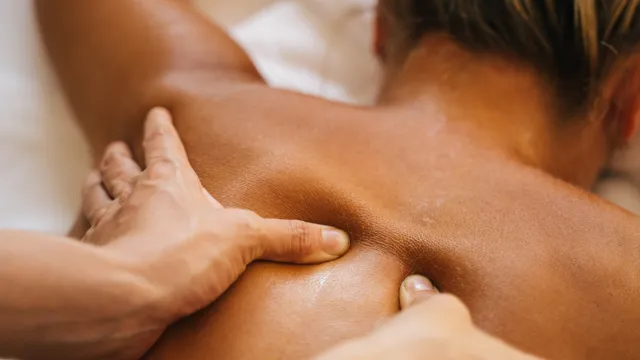
Lymphatic drainage sessions use exceptionally light, rhythmic, wave-like strokes applied in a specific sequence that follows the direction of lymphatic flow toward the major lymph node groups. The pressure is deliberately gentle — patients often report surprise at how light the touch is compared to other massage. Sessions typically begin at the lymph node clusters in the neck, axilla, or groin (depending on the area being drained) to open the drainage pathways before working the peripheral tissue toward them.
For post-surgical patients, sessions are timed and positioned around surgical clearance and wound healing status. We coordinate with your surgical team to ensure lymphatic drainage begins at the optimal point in your recovery.
FAQ's
How soon after surgery can I start lymphatic drainage massage?
This depends entirely on the procedure and your surgeon's clearance. For many soft tissue surgeries, lymphatic drainage can begin as early as one to two weeks post-operatively — once incisions are closed and the risk of lymphatic fluid seeding the surgical site has passed. We coordinate directly with your surgeon's post-operative protocol and never begin drainage without explicit clearance. Earlier initiation generally produces better outcomes — reduced swelling, faster tissue healing, and less scar tissue formation.
I don't have any swelling. Can lymphatic drainage still benefit me?
Yes. Visible swelling is the extreme presentation of lymphatic sluggishness — but the system can be underperforming well before fluid accumulation becomes visible. Patients without obvious swelling who receive regular lymphatic drainage consistently report improved energy, reduced brain fog, better immune resilience, and improved skin clarity — all consistent with improved lymphatic clearance of the metabolic waste and immune byproducts that accumulate in normal tissue.
Is lymphatic drainage massage appropriate for cancer patients or survivors?
Lymphatic drainage has established applications in oncology care — particularly for lymphedema management following lymph node removal. However, lymphatic drainage during active cancer treatment requires explicit oncologist approval, as stimulating lymphatic flow during certain treatment phases is contraindicated. Cancer survivors without active treatment and without contraindication from their oncologist can typically receive lymphatic drainage safely. We review your full oncology history before any lymphatic work and coordinate with your care team.
— MYOFASCIAL RELEASE
Myofascial Release
Fascia is the connective tissue matrix that surrounds, separates, and connects every muscle, organ, nerve, and bone in your body. Healthy fascia is hydrated, pliable, and glides freely between adjacent structures. Restricted fascia — the result of injury, inflammation, chronic postural loading, surgical scarring, or prolonged immobility — becomes dense, dehydrated, and adhered, creating the kind of pain and movement limitation that doesn't show up on imaging and doesn't respond to conventional treatment directed at the muscle or joint alone.
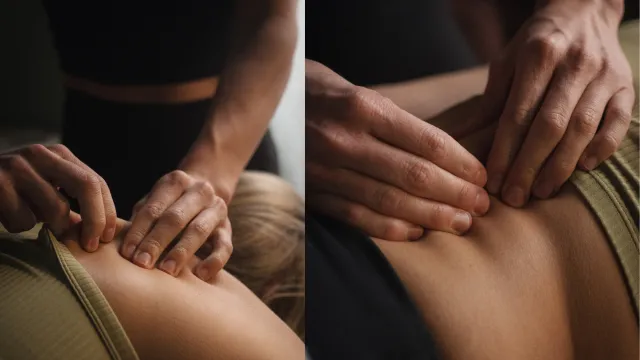
Myofascial release is the technique that addresses fascial restriction directly — and it requires a fundamentally different approach than conventional massage. Where most massage techniques work with rhythmic movement and sliding strokes, myofascial release works through sustained, still pressure held at the tissue's barrier until the fascia releases and reorganizes. That release cannot be forced. It has to be waited for — which is why practitioners trained in true myofascial technique approach the tissue with patience and specificity rather than pressure and speed.
To book a massage session or inquire about availability, call us directly at (972) 863-2895.
What Myofascial Release Addresses
Chronic pain that doesn't respond to conventional treatment — particularly diffuse, difficult-to-localize pain patterns that imaging doesn't explain
Post-surgical scarring and adhesions — internal scar tissue that forms after surgery restricts the fascia surrounding the surgical site, limiting movement and creating pain patterns often far from the incision
Postural dysfunction — fascial restrictions in the anterior chest, hip flexors, and cervical spine maintain the postural holding patterns that drive most chronic musculoskeletal pain
Fibromyalgia and widespread pain — myofascial restriction is a significant contributor to the diffuse pain of fibromyalgia and responds to the gentle sustained approach of myofascial release when aggressive techniques worsen symptoms
Pelvic floor dysfunction — fascial restrictions in the pelvis, hip, and lumbar region contribute to pelvic pain, bladder urgency, and the pain patterns associated with endometriosis and post-surgical pelvic adhesions
Thoracic outlet syndrome — fascial restriction at the anterior neck, shoulder, and first rib compresses the neurovascular structures producing the pain, numbness, and weakness of thoracic outlet presentation
TMJ and jaw tension — the fascial planes of the face and jaw respond profoundly to myofascial release, producing releases that localized jaw work alone rarely achieves
What a Session Looks Like
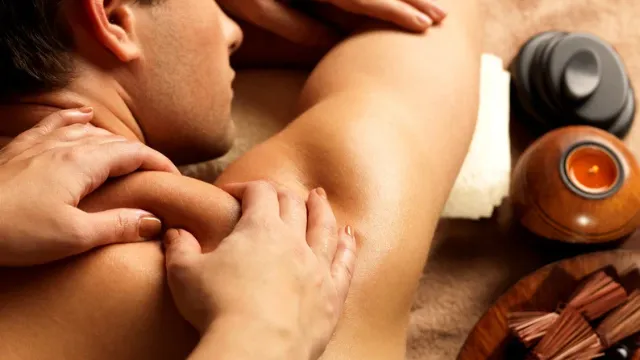
Myofascial release sessions move more slowly and with less visible technique than other massage modalities — which occasionally surprises patients expecting the rhythmic movement of Swedish or deep tissue work. Your therapist locates the fascial restriction through palpation, positions their hands at the tissue barrier, and applies gentle sustained traction or compression — holding until the tissue begins to release, which may take 90 seconds to several minutes at a single site.
The experience is often described as a deep melting or unwinding sensation — a release that feels fundamentally different from the temporary relief of muscular massage because it is affecting a different tissue layer entirely.
FAQ's
How is myofascial release different from regular deep tissue massage?
Deep tissue massage targets the muscular layer — releasing chronic tension, breaking up trigger points, and improving circulation through the muscle belly. Myofascial release targets the fascial layer surrounding the muscles — the connective tissue matrix that determines how freely muscles and joints move relative to each other. Fascial restrictions don't release with the rhythmic pressure of conventional massage; they require sustained, still pressure held at the tissue barrier until the collagen fibers reorganize. The two techniques address different tissue layers and are most effective when combined.
I have chronic pain that nobody has been able to explain or treat. Could myofascial release help?
Possibly — and myofascial restriction is one of the most commonly missed drivers of chronic unexplained pain. Fascial restrictions don't appear on X-ray or MRI and are often not assessed in conventional physical examination. They produce referred pain patterns, movement restrictions, and autonomic symptoms (numbness, tingling, temperature changes) that can look like many different conditions. If you've been through conventional treatment without resolution, a myofascial assessment is a logical next step.
How many sessions of myofascial release will I need?
Fascial restrictions that have been present for years require more sessions to fully release than recent restrictions — but the tissue responds at every session regardless of chronicity. Most patients notice meaningful improvement within three to five sessions. For complex chronic presentations or significant post-surgical scarring, a longer initial course of eight to twelve sessions produces the most complete release. Kalpesh or your massage therapist will give you a realistic expectation after your first session assessment.
— CUPPING
Cupping Massage
Cupping massage combines the therapeutic principles of traditional cupping with the targeted tissue work of massage — producing an effect that neither achieves as fully in isolation. Where conventional massage applies compressive pressure to the tissue, cupping applies decompressive suction — lifting the fascial layers, drawing stagnant blood upward, and creating space in the tissue that compression cannot produce.
The result is a treatment that reaches the deeper fascial layers more effectively than manual pressure, drives a more significant circulatory response than massage alone, and produces the "reset" feeling that patients describe as deeply different from conventional bodywork — not just relaxed, but structurally different.
The Marks — What They Mean and What They Don't
The circular discolorations that cupping leaves are not bruises. They are the result of stagnant blood drawn to the surface by suction — a diagnostic signal as much as a therapeutic outcome. Darker marks indicate greater circulatory stagnation in that tissue; lighter marks indicate better baseline circulation. The marks fade within three to seven days and are not painful to the touch. They are entirely normal and expected.
For patients who cannot have visible marks — due to professional or personal circumstances — we discuss placement and timing at your consultation.
What Cupping Massage Addresses
Chronic back and neck tension — the most immediately impactful application of cupping. The posterior back, thoracic spine, and cervical musculature respond to cupping's decompressive effect more dramatically than to any compressive technique
Athletic recovery — clearing the metabolic waste products (lactate, inflammatory cytokines) that accumulate in overloaded muscle tissue between training sessions. Many elite athletes use cupping specifically for this application
IT band syndrome and lateral hip tension — the iliotibial band and surrounding fascial planes respond to cupping's decompressive lift in ways that foam rolling and manual work cannot replicate
Respiratory conditions — cupping along the upper back and between the shoulder blades has a direct effect on pulmonary circulation and has been used in TCM for centuries to support recovery from respiratory illness
Scar tissue and post-surgical adhesions — cupping applied around (not directly on) surgical scars lifts the adherent fascial layers and promotes the tissue mobility that determines long-term functional outcomes after surgery
Fibromyalgia — modified cupping at reduced pressure provides the circulatory and decompressive benefit without the aggressive stimulation that worsens fibromyalgia symptoms
What a Session Looks Like
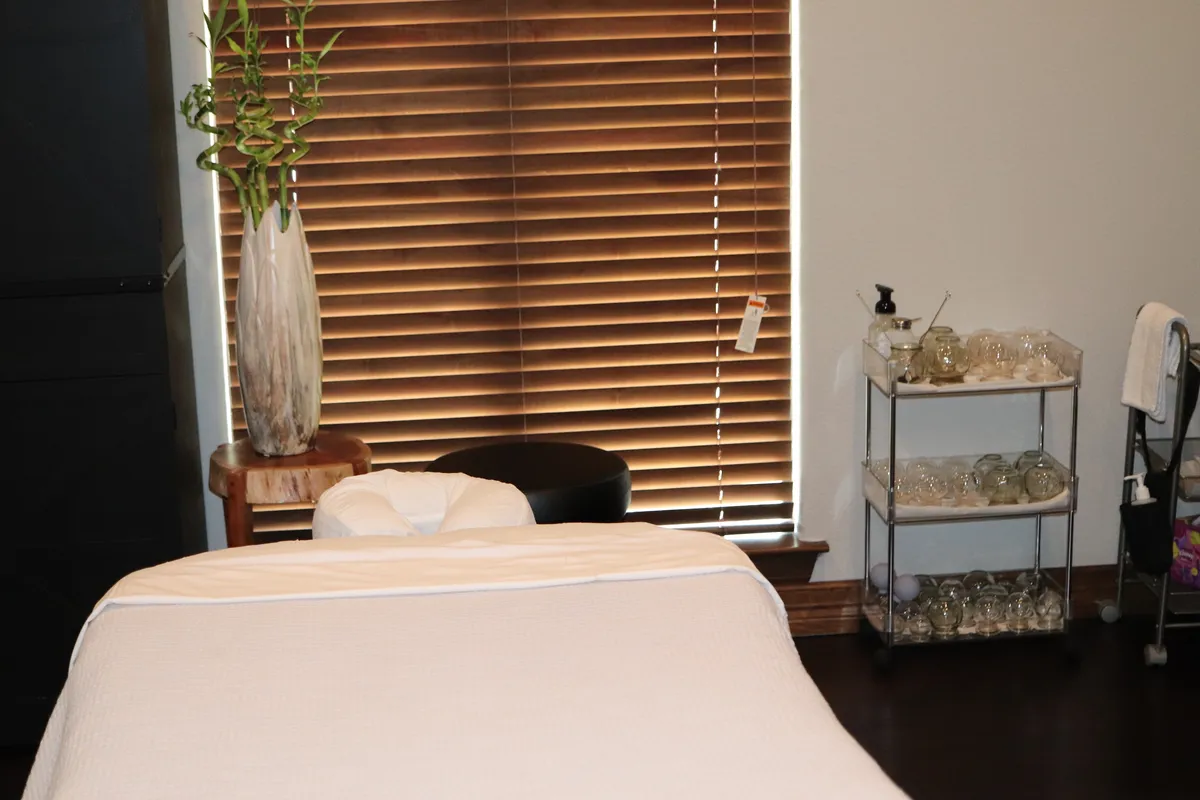
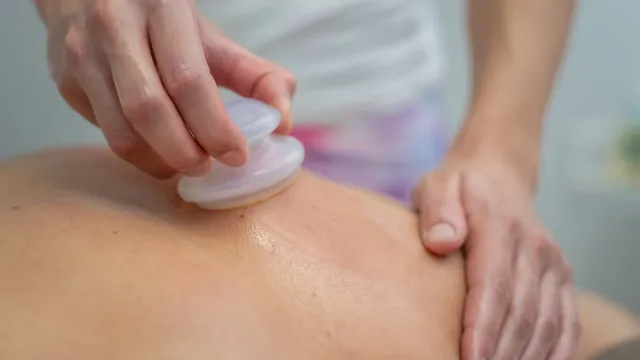
Cupping massage uses silicone or traditional glass cups applied to the skin with suction. At On Point, we use both stationary cupping (cups left in place for five to fifteen minutes) and gliding cupping (cups moved continuously across oiled skin) depending on your presentation and goals. Sessions are often combined with massage technique between and around cup placements — integrating the decompressive effect of cupping with the targeted precision of manual work.
The sensation during cupping is a pulling or tightness at the skin — distinctive but not painful for most patients. The level of suction is always adjusted to your comfort and tissue tolerance.
FAQ's
Does cupping actually do anything, or is it just a trend?
The physiological mechanisms of cupping are well-documented: negative pressure applied to the tissue drives increased local blood flow, stimulates the fascial layer's proprioceptive nerve endings, promotes lymphatic drainage, and creates the decompressive space in which chronically compressed tissue can reorganize. The "marks" visible after cupping reflect real circulatory changes in the underlying tissue — the darker the mark, the greater the stagnation that was present. The clinical evidence base for cupping in pain management, athletic recovery, and myofascial release is established and growing.
How long do the cupping marks last?
Typically three to seven days depending on the depth of suction applied and the degree of circulatory stagnation in the treated tissue. Marks in areas of chronic tension (upper back, posterior neck) often last longer than marks in areas with better baseline circulation. They are not painful and fade progressively. Hydration, movement, and heat application after treatment accelerate their resolution.
Can I get cupping if I'm on blood thinners?
Cupping is generally contraindicated for patients on anticoagulant medications — the subcutaneous blood drawing that produces the characteristic marks poses an increased risk of excessive bruising and skin damage in anticoagulated patients. Inform your therapist of any blood-thinning medications before your session. Modified techniques with lighter suction and shorter application times may be appropriate in some cases — your therapist will assess this individually.
— 4 HANDED MASSAGE
4 Handed Massage
Cupping massage combines the therapeutic principles of traditional cupping with the targeted tissue work of massage — producing an effect that neither achieves as fully in isolation. Where conventional massage applies compressive pressure to the tissue, cupping applies decompressive suction — lifting the fascial layers, drawing stagnant blood upward, and creating space in the tissue that compression cannot produce.
The result is a treatment that reaches the deeper fascial layers more effectively than manual pressure, drives a more significant circulatory response than massage alone, and produces the "reset" feeling that patients describe as deeply different from conventional bodywork — not just relaxed, but structurally different.
The Marks — What They Mean and What They Don't
The circular discolorations that cupping leaves are not bruises. They are the result of stagnant blood drawn to the surface by suction — a diagnostic signal as much as a therapeutic outcome. Darker marks indicate greater circulatory stagnation in that tissue; lighter marks indicate better baseline circulation. The marks fade within three to seven days and are not painful to the touch. They are entirely normal and expected.
For patients who cannot have visible marks — due to professional or personal circumstances — we discuss placement and timing at your consultation.
What Cupping Massage Addresses
Chronic back and neck tension — the most immediately impactful application of cupping. The posterior back, thoracic spine, and cervical musculature respond to cupping's decompressive effect more dramatically than to any compressive technique
Athletic recovery — clearing the metabolic waste products (lactate, inflammatory cytokines) that accumulate in overloaded muscle tissue between training sessions. Many elite athletes use cupping specifically for this application
IT band syndrome and lateral hip tension — the iliotibial band and surrounding fascial planes respond to cupping's decompressive lift in ways that foam rolling and manual work cannot replicate
Respiratory conditions — cupping along the upper back and between the shoulder blades has a direct effect on pulmonary circulation and has been used in TCM for centuries to support recovery from respiratory illness
Scar tissue and post-surgical adhesions — cupping applied around (not directly on) surgical scars lifts the adherent fascial layers and promotes the tissue mobility that determines long-term functional outcomes after surgery
Fibromyalgia — modified cupping at reduced pressure provides the circulatory and decompressive benefit without the aggressive stimulation that worsens fibromyalgia symptoms
What a Session Looks Like
Cupping massage uses silicone or traditional glass cups applied to the skin with suction. At On Point, we use both stationary cupping (cups left in place for five to fifteen minutes) and gliding cupping (cups moved continuously across oiled skin) depending on your presentation and goals. Sessions are often combined with massage technique between and around cup placements — integrating the decompressive effect of cupping with the targeted precision of manual work.
The sensation during cupping is a pulling or tightness at the skin — distinctive but not painful for most patients. The level of suction is always adjusted to your comfort and tissue tolerance.
FAQ's
Does cupping actually do anything, or is it just a trend?
The physiological mechanisms of cupping are well-documented: negative pressure applied to the tissue drives increased local blood flow, stimulates the fascial layer's proprioceptive nerve endings, promotes lymphatic drainage, and creates the decompressive space in which chronically compressed tissue can reorganize. The "marks" visible after cupping reflect real circulatory changes in the underlying tissue — the darker the mark, the greater the stagnation that was present. The clinical evidence base for cupping in pain management, athletic recovery, and myofascial release is established and growing.
How long do the cupping marks last?
Typically three to seven days depending on the depth of suction applied and the degree of circulatory stagnation in the treated tissue. Marks in areas of chronic tension (upper back, posterior neck) often last longer than marks in areas with better baseline circulation. They are not painful and fade progressively. Hydration, movement, and heat application after treatment accelerate their resolution.
Can I get cupping if I'm on blood thinners?
Cupping is generally contraindicated for patients on anticoagulant medications — the subcutaneous blood drawing that produces the characteristic marks poses an increased risk of excessive bruising and skin damage in anticoagulated patients. Inform your therapist of any blood-thinning medications before your session. Modified techniques with lighter suction and shorter application times may be appropriate in some cases — your therapist will assess this individually.
Massage at On Point isn't a menu. It's a clinical decision — made around your specific tissue, your specific goals, and the internal picture that determines what your body actually needs.
Serving Southlake, TX, and Beyond

2500+
Patients Helped Over The Years

15+
Years of Hands On Experience

100+
5 Stars Google Reviews
FOLLOW US


LINKS
CONTACT US
PHONE: (972) 863-2895
EMAIL: info@opawellness.com
WE ACCEPT INSURANCE
Copyright 2026. On Point Acupuncture & Wellness.
All Rights Reserved.