
Chronic Pain Isn't Forever.
You've spent years being told to manage your pain. That was never the goal. Our founder-led approach treats what's actually driving your pain at the root — not just the signal your body keeps sending.
15+
Years treating pain
2,500+
Patients treated
95%+
Report significant improvement

— WHY PAIN PERSISTS
Your pain isn't the problem. It's the signal.
Most chronic pain patients have been through the same cycle — imaging, specialists, medications, injections, maybe surgery. Some get temporary relief. Most end up back where they started, often worse.
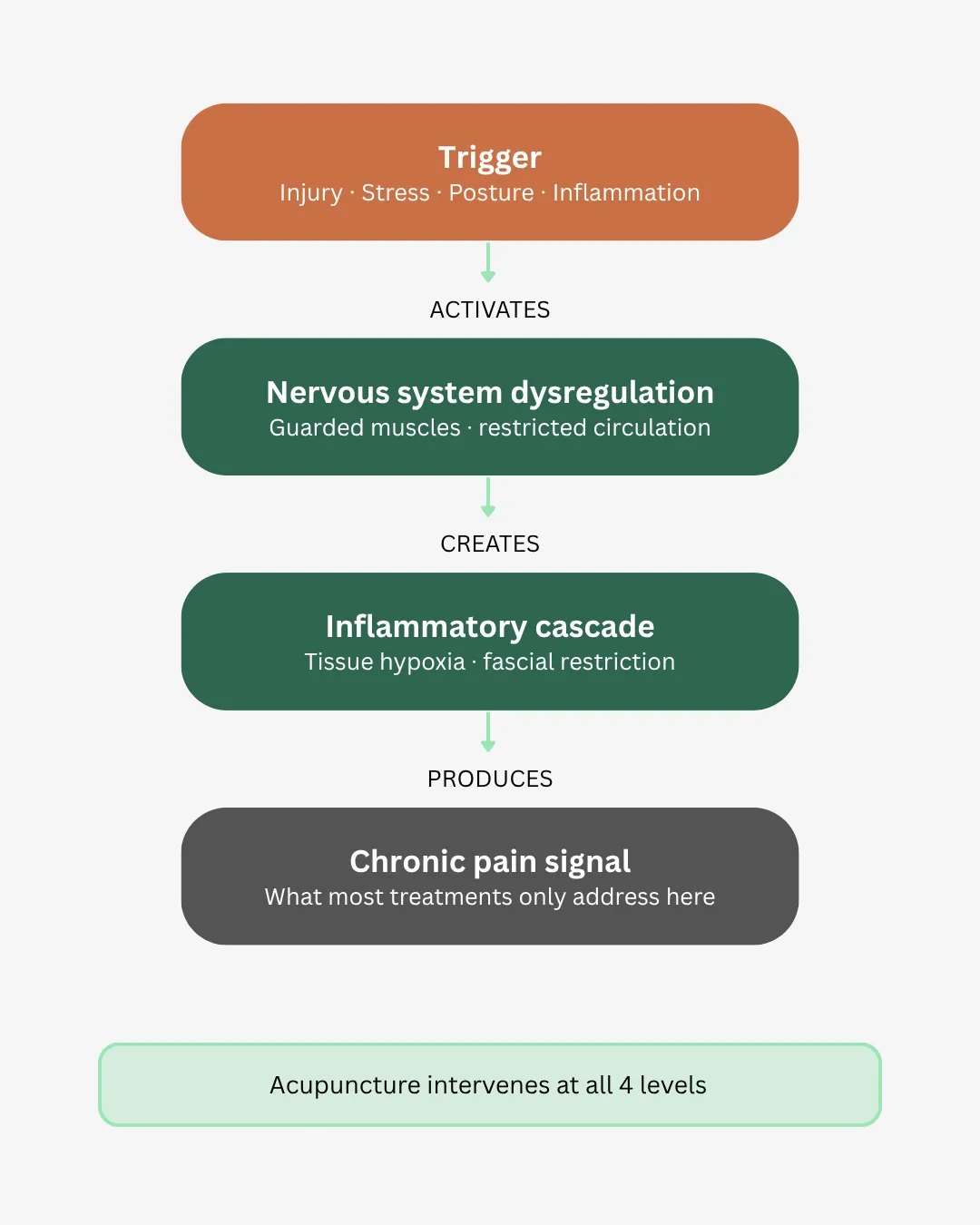
Western pain medicine is extraordinarily good at identifying structural damage and blocking pain signals. It is not designed to address what causes the signal in the first place — nervous system dysregulation, circulatory stagnation, inflammatory cascades, and fascial restriction that keep the body locked in a pain loop.
Traditional Chinese Medicine treats the loop, not just the signal. Acupuncture interrupts the pain cycle at the neurological level, restores circulation to hypoxic tissue, down-regulates the inflammatory response, and releases the fascial adhesions that keep muscles guarded and joints compressed.
The goal isn't pain management. The goal is pain resolution.
— CONDITIONS WE TREAT
If pain is limiting your life, we've treated it.
Click any condition for a full explanation of how acupuncture addresses it — including expected timeline and outcomes.
MOST COMMON
Lower back, upper back, cervical disc, postural pain - the most common pain presentation we treat.
Sciatica nerve compression and piriformis syndrome - radiating pain from lower back through the leg.
Osteoarthritis and rheumatoid arthritis - reducing inflammation and restoring joint mobility.
Temporomandibular joint dysfunction - one of acupuncture's highest success rate conditions.
Widespread musculoskeletal pain, fatigue, and tender points - a complex condition we specialize in.
Tension headaches, migraines, and cluster headaches - frequency and intensity reduction.
Rotator cuff injuries, frozen shoulder, and impingement syndrome - restoring range of motion.
Osteoarthritic knee, IT band syndrome, bursitis, and hip flexor dysfunction.
— WHY ON POINT FOR PAIN
Not every acupuncturist treats pain the same way.
Pain is the most common reason patients come to acupuncture — and the condition where technique, depth of assessment, and treatment planning matter most.
1. Root issue assessment first
Before a single needle is placed, Kalpesh maps the full picture — tongue diagnosis, posture, movement patterns, lifestyle, stress load. Treatment plans address what's driving the pain, not just where it is.
2. Kalpesh treats every patient personally
No rotating staff. No hand-offs. The same practitioner who assesses you, plans your protocol, and delivers every session. Continuity is critical in pain resolution.
3. You leave knowing more than when you arrived
Every session includes education — what your tongue tells us, what's happening in your nervous system, what to do between appointments. You become an active participant in your recovery.
4. Honest timelines, not open-ended treatment
At your initial visit you'll receive a realistic estimate — number of sessions, expected timeline, measurable milestones. No vague "we'll see how it goes."
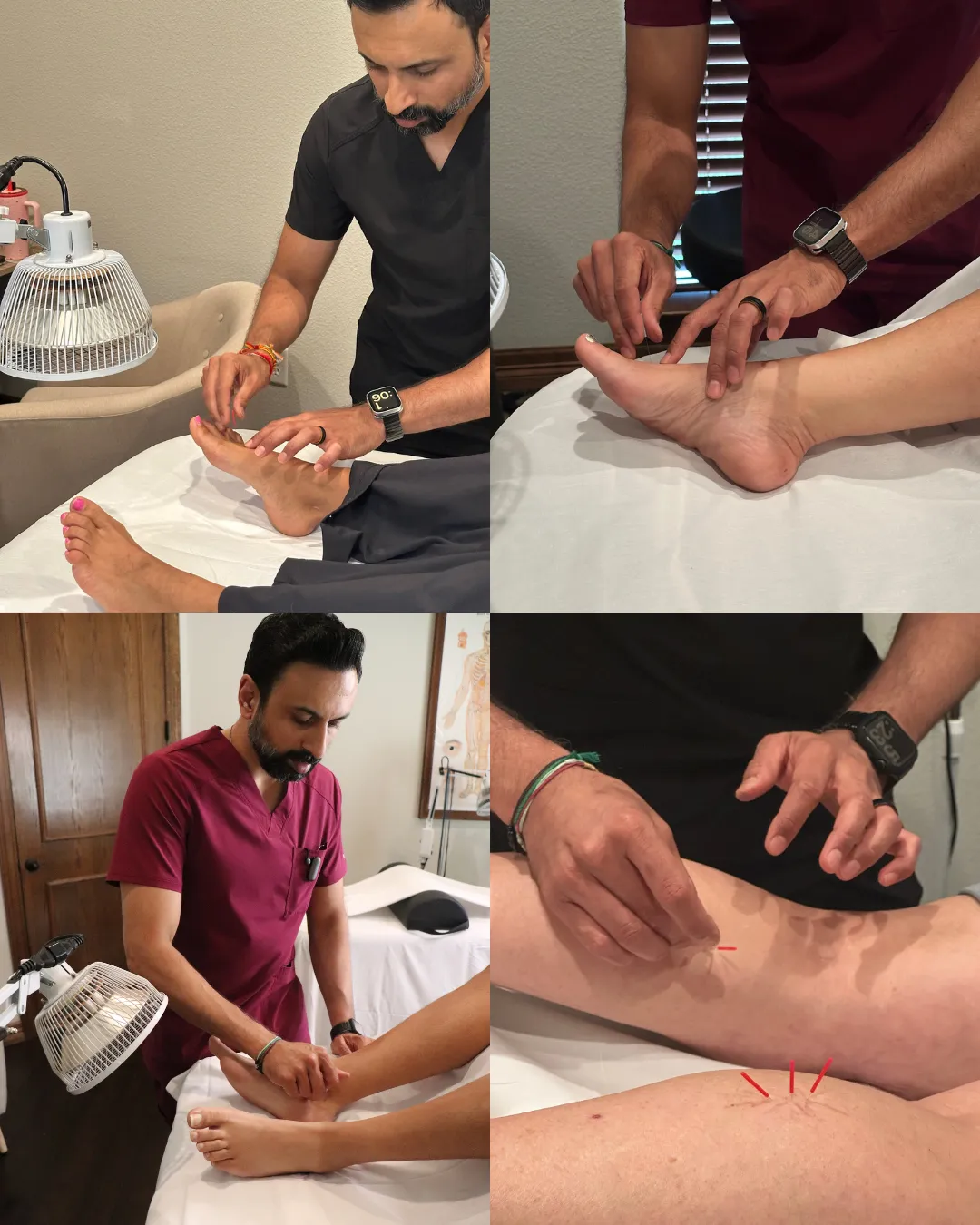
5. We needle away from the pain — not into it.
Placing needles in the lower legs, ankles, or feet to treat shoulder or back pain avoids irritating already inflamed tissue and allows us to test the targeted area in real time during your session. You feel the shift on the table. That's intentional.
— OUR APPROACH
We don't just treat pain. We teach you to understand it.
Every patient leaves knowing more about their body than when they arrived. Tongue diagnosis, breathing, hydration, lifestyle, TCM dietary guidance — the foundation that makes results last.
Root-cause analysis — the rhyme and reason behind your symptoms
Tongue diagnosis — your body's real-time dashboard
Nervous system regulation through breathing
Hydration strategies that directly affect pain levels
TCM dietary guidance for inflammation reduction
Lifestyle habits that extend results between sessions
— BACK AND NECK PAIN
How Acupuncture Targets Back & Neck Pain
At On Point Acupuncture & Wellness in Southlake, TX, our specialized back and neck care is designed to release chronic tension, reduce inflammation, and restore the free flow of Qi—the body's vital energy that, when blocked, results in the "knots" and stiffness we feel daily.
Whether it’s due to injury, poor posture, stress, or wear and tear, chronic back or neck pain can take over your life..
For exceptional comfort, therapeutic points are frequently placed on the wrists or ankles, meaning needles do not need to be inserted in the back or neck to achieve gentle, deeply restorative relief.
Why Choose Acupuncture Over Medications or Surgery?
Many people seek relief beyond pain medications or surgery due to concerns about side effects, dependency, or extended recovery.
Acupuncture offers a natural, science-supported path to chronic back pain relief—without those risks.
It may be especially helpful for:
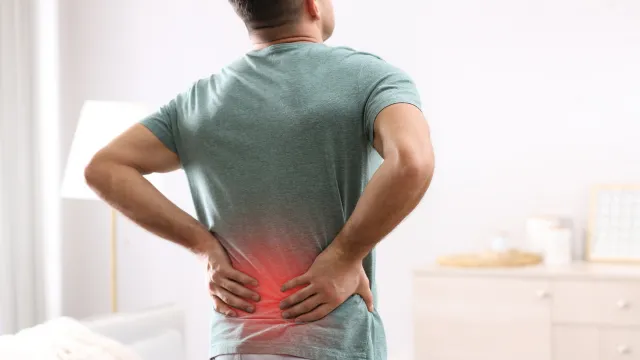
Chronic low back pain from disc or degenerative changes
Acute injuries from sports, accidents, or repetitive strain
Arthritis-related stiffness and inflammation
Nerve discomfort such as sciatica, tingling, or radiating leg pain
Our focus is simple: resolve the source of pain, not mask it.
Integrative Care for Lasting Results
Your personalized care plan may include:
Acupuncture
Collaboration with physical therapy or orthopedic providers when appropriate.
Cupping
Herbal Medicine
Massage
Therapeutic movement guidance
This integrative approach supports healing from multiple angles—reducing inflammation, restoring mobility, and protecting long-term spinal health.
For those hoping to avoid surgery or minimize medication use, we provide a calm, personalized, and clinically grounded path to recovery.

— SCIATICA
Sciatica Relief
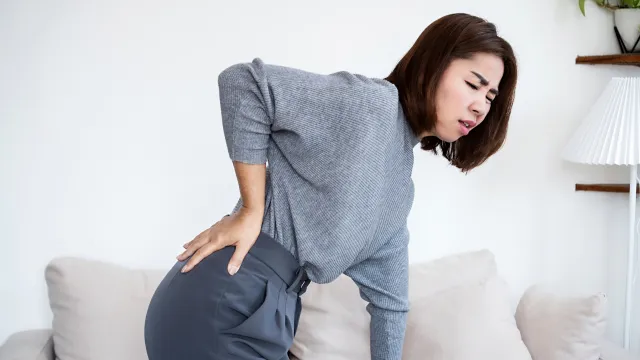
Sciatica isn't just back pain. It's a full-body disruption — the burning, the shooting nerve pain down your leg, the mornings where you can't get out of bed without bracing yourself. It's exhausting. And if you've been told to "rest and wait it out," you already know that advice wears thin fast.
At On Point Acupuncture & Wellness, we treat sciatica as what it actually is: a nervous system and circulatory problem — not just a musculoskeletal one. That distinction changes everything about how we approach your care.
What's Actually Happening in Your Body
The sciatic nerve is the longest nerve in your body — running from your lower back, through your glutes, and all the way down to your foot. When that nerve gets compressed, inflamed, or irritated, it sends pain signals along its entire path.
The most common culprits:
Muscle tension in the piriformis or lower back compressing the nerve
Disc irritation (bulging or herniated) putting pressure on the nerve root
Sacroiliac joint dysfunction creating instability at the base of the spine
Chronic inflammation keeping the nerve in a constant state of agitation
Most treatments target the symptom. Our approach targets the system — reducing inflammation, restoring circulation, and releasing the underlying tension that's keeping your body stuck in pain.
How We Treat Sciatica at On Point
Sciatica rarely has a single cause, and addressing it effectively requires precision layering. Acupuncture is your foundation—it resets the nerve pathway and releases tension at the source. From there, we layer in complementary modalities within your session as needed:
Cupping Therapy to improve blood flow
Electroacupuncture (E-Stim) for stronger stimulation
Gua Sha to release fascial restriction
Heat & Infrared Therapy for nerve relaxation
If deep tissue massage is part of your care plan, our LMT team can schedule that as a separate session
This integrative approach supports healing from multiple angles—reducing inflammation, restoring mobility, and protecting long-term spinal health.
For those hoping to avoid surgery or minimize medication use, we provide a calm, personalized, and clinically grounded path to recovery.

— ARTHRITIS
Arthritis & Joint Inflammation Relief
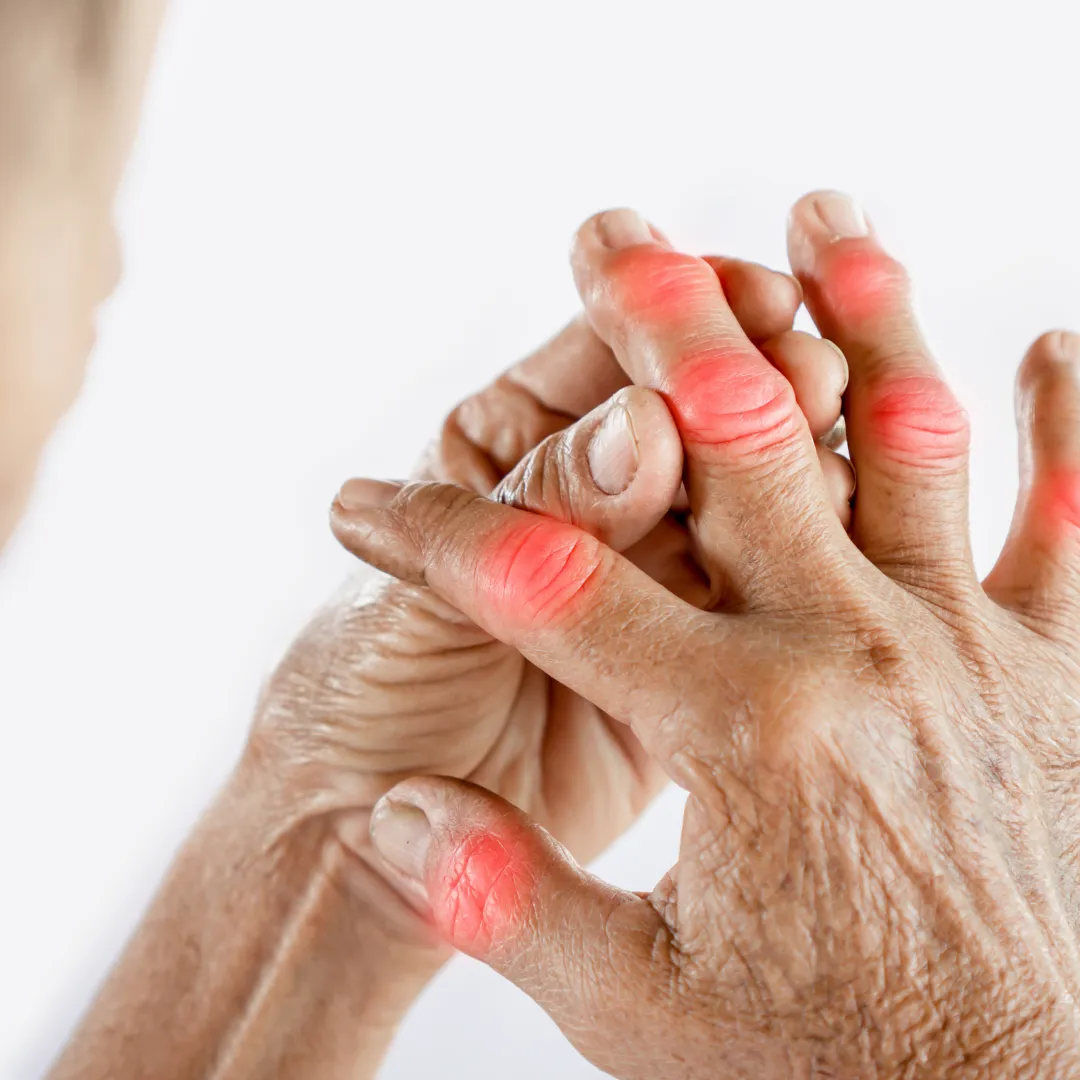
Arthritis doesn't announce itself with one dramatic moment. It creeps in — the morning stiffness that takes longer and longer to shake, the joints that ache when the weather changes, the gradual shrinking of what you're willing to do because of how much it costs you afterward.
Whether you're dealing with osteoarthritis, rheumatoid arthritis, or chronic joint inflammation that nobody has quite been able to explain, the underlying problem is the same: your joints are living in a state of chronic dysregulation — too much inflammation, not enough circulation, and a nervous system that's been in protective mode for so long it's forgotten how to let go.
At On Point Acupuncture & Wellness, we don't just manage arthritis symptoms. We work to change the internal environment that's keeping your joints inflamed in the first place.
What's Actually Driving Your Joint Pain
Arthritis is broadly understood as "wear and tear" — but that framing is incomplete, and for many patients, it's quietly disempowering. It implies inevitable decline.
The fuller picture looks like this:
Osteoarthritis involves cartilage breakdown, but the rate of degeneration is directly influenced by circulation and inflammation levels — both of which acupuncture directly affects
Rheumatoid arthritis is an autoimmune condition where the immune system attacks the joint lining — creating flares, swelling, and progressive damage when left unregulated
Inflammatory arthritis (psoriatic, reactive, ankylosing spondylitis) follows a similar immune-dysregulation pattern
Post-injury arthritis develops in joints that experienced trauma and never fully restored healthy circulation to the damaged tissue
In TCM, all of these share a common thread: stagnation. When blood stops moving efficiently through a joint, inflammation accumulates, tissue breaks down faster, and pain becomes the constant background noise of daily life. Restoring movement — at the circulatory and nervous system level — is where the real work happens.
How We Treat Arthritis at On Point
Your joints are complex. Your treatment should be too. Arthritis rarely responds to a single tool, so we layer multiple modalities if needed in your sessions—built around your specific arthritis pattern and your healing journey.
Acupuncture — your foundation: calms inflammation and restores blood flow to stiff joints
Cupping Therapy — improves circulation around the joint
Electroacupuncture (E-Stim) — deeper stimulation for stubborn pain
Gua Sha — releases surrounding tension
Heat & Infrared Therapy — eases stiffness
Herbal Medicine — reduces inflammation between visits
Deep tissue and sports massage through our licensed massage therapists can be booked separately or back-to-back with your acupuncture visit.

Arthritis is not a sentence. The rate of joint degeneration is not fixed — it is directly influenced by inflammation levels, circulation quality, and nervous system regulation. All three are addressable. That's the work we do.
The goal is not to be dependent on treatment forever. The goal is to change your baseline — so that your "normal" is no longer defined by pain.
— TMJ & JAW PAIN
TMJ & Jaw Pain Relief
TMJ disorder doesn't stay in your jaw. It radiates. The clicking and locking you dismiss as "just jaw tension" becomes the headache that won't lift, the ear pressure that no ENT can explain, the neck tightness that won't respond to massage, the grinding at night that's quietly wearing down your teeth. It compounds — and most people live with it for years before realizing the whole pattern has a single upstream cause.
The temporomandibular joint is one of the most mechanically complex and neurologically dense joints in your body. It sits at the intersection of your jaw, skull, cervical spine, and cranial nerve system — which is exactly why TMJ dysfunction creates such a wide and confusing symptom picture. And it's exactly why approaches that treat only the jaw rarely resolve it fully.
At On Point Acupuncture & Wellness, we treat TMJ as the systemic nervous system and musculoskeletal problem it actually is — not just a dental inconvenience.

The Real Anatomy of TMJ Dysfunction
Your temporomandibular joint connects your lower jaw to your skull just in front of your ears. It's one of the most frequently used joints in your body — active every time you speak, eat, swallow, or clench. When the muscles, disc, and connective tissue surrounding this joint fall out of balance, the effects travel far beyond the jaw itself.
The most common drivers of TMJ dysfunction:
Chronic muscle tension in the masseter, temporalis, and pterygoid muscles — often rooted in stress, clenching, or bruxism (nighttime grinding)
Disc displacement — the cartilage disc inside the joint shifts out of position, creating the characteristic clicking, popping, or locking
Cervical spine tension — the muscles of the neck and jaw share fascial connections; chronic neck tightness directly loads the TMJ
Nervous system dysregulation — the trigeminal nerve, which governs sensation across the entire face and jaw, becomes hypersensitized in chronic TMJ, amplifying pain signals far beyond the original injury
Postural imbalance — forward head posture increases the mechanical load on the jaw joint by shifting how forces distribute through the skull and cervical spine
What this means: fixing your jaw requires addressing your neck, your nervous system, your stress response, and the muscular holding patterns running through all of them. A bite guard manages the symptom at night. Acupuncture works on the system driving it.
How We Treat TMJ at On Point
TMJ responds exceptionally well to acupuncture — in part because the jaw and face are among the most neurologically rich regions of the body, meaning needle input here creates powerful and rapid nervous system responses.
Your personalized care plan may include:
Acupuncture
Cupping Therapy
Deep Tissue & Sports Massage
Electroacupuncture (E-Stim)
Gua Sha
Herbal Medicine

TMJ is one of the conditions where patients most frequently tell us: "I wish I had done this years ago."
— FIBROMYALGIA
Fibromyalgia Relief
Fibromyalgia is one of the most isolating conditions we see — not because the pain isn't real, but because so much of medicine has treated it like it isn't. You've had the normal labs. You've been told to exercise more, stress less, maybe try an antidepressant. And you're still waking up exhausted, hurting in ways that shift and migrate and never fully make sense, wondering if this is just what your life is now.
It isn't.
Fibromyalgia is not a mystery condition. It is a nervous system that has become pathologically sensitized — locked into a state of chronic alarm where pain signals amplify far beyond what the original stimulus warrants. Every touch is too much. Every exertion costs too much. Rest doesn't restore you because the system generating your fatigue never actually turns off.
At On Point Acupuncture & Wellness, we specialize in exactly this kind of dysregulation. The nervous system that learned to amplify can be taught to quiet. That is the work — and it is entirely possible.

What's Actually Happening in Your Body
Fibromyalgia is now well understood in research as a condition of central sensitization — a state in which the central nervous system's pain processing becomes chronically dysregulated. The volume dial on pain gets turned up and stuck there.
This is why fibromyalgia pain is:
Widespread — because it's generated centrally, not from a single tissue injury
Migratory — moving between muscle groups, joints, and regions without a structural explanation
Disproportionate — light pressure that should feel neutral registers as pain
Fatigue-linked — because the same nervous system dysregulation disrupts sleep architecture, leaving patients in non-restorative sleep cycles that worsen pain sensitivity the next day
How We Treat Fibromyalgia at On Point
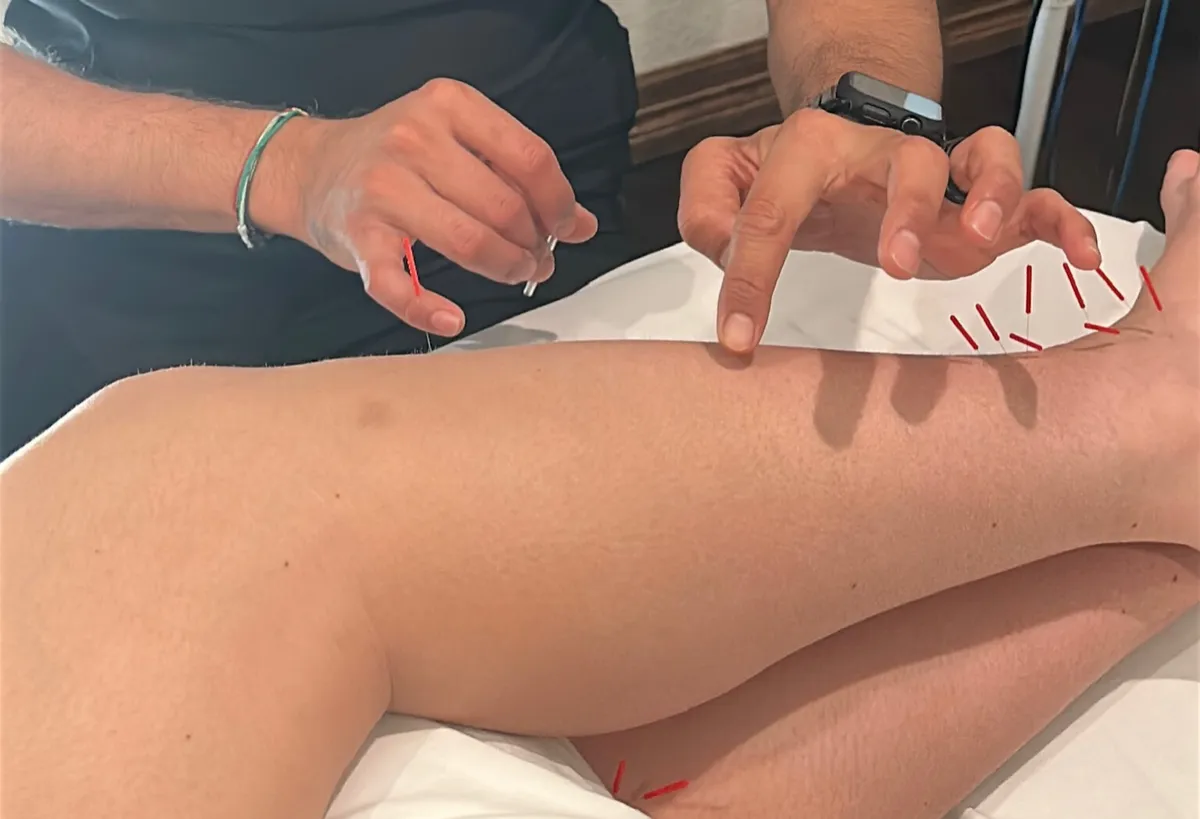
Fibromyalgia treatment requires a different calibration than most pain conditions. The nervous system is already overwhelmed — the last thing it needs is aggressive stimulation. Our approach is precise, layered, and always matched to what the patient's system can absorb on a given day.
Your personalized care plan may include:
Acupuncture
AcuNap
Cupping Therapy
Deep Tissue Massage
Electroacupuncture (E-Stim)
Gua Sha
Herbal Medicine
Tongue diagnosis
Fibromyalgia is a long game. But it is a winnable one. The body that learned to amplify pain can learn to quiet it — with the right input, consistently applied.
— HEADACHES & MIGRAINES
Acupuncture for Headaches & Migraines
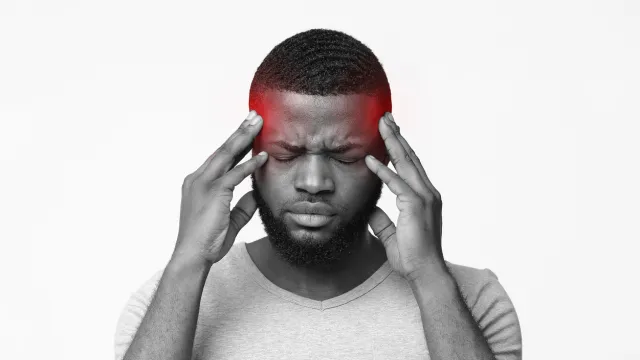
Migraines are not just bad headaches. They are full neurological events — the prodrome hours before the pain hits, the aura that distorts your vision, the throbbing that makes light and sound unbearable, the postdrome exhaustion that follows like a hangover you didn't earn.
And tension headaches aren't just stress — they're your nervous system and vascular system communicating, loudly, that something upstream is dysregulated.
If you've been managing headaches with triptans, ibuprofen, or just a dark room and a locked door, you already know what medication does and doesn't do. It manages the event. It does nothing about the frequency, the threshold, or the underlying pattern generating the next one.
That's the gap acupuncture fills. Not as an alternative to your medication — but as the upstream intervention that addresses why your nervous system keeps crossing the threshold into headache and migraine territory in the first place.
Identifying which pattern — or combination of patterns — is generating your headaches is not optional. It determines everything about which points are needled, which herbal formula is prescribed, and what the treatment arc looks like. This is where tongue diagnosis becomes essential: the color, coating, and moisture of your tongue maps directly to the internal pattern, often more accurately than symptom history alone.
What's Actually Driving Your Headaches
Most headaches are not a head problem. They are a systemic problem that expresses itself in the head. The most common drivers:
Cervicogenic tension — tight suboccipital muscles, upper trapezius, and SCM refer pain directly into the skull, temples, and behind the eyes. This is the single most underaddressed driver of chronic tension headaches and a significant migraine trigger
Vascular dysregulation — migraines involve abnormal dilation and constriction of cerebral blood vessels, driven by a sensitized trigeminal nerve system. Poor circulation and autonomic dysregulation lower the threshold for these events
Hormonal fluctuation — estrogen fluctuation across the menstrual cycle is one of the most consistent migraine triggers in women. Menstrual migraines, periovulatory headaches, and perimenopausal pattern changes all reflect the same underlying hormonal dysregulation
Liver Qi Stagnation — in TCM, this is the most common constitutional pattern in migraine sufferers. The liver meridian traverses the top of the head; when Liver Qi stagnates under chronic stress, it rises and creates the throbbing, pressure-dominant, unilateral pain pattern that characterizes classic migraines
Kidney and Liver Yin Deficiency — produces a different presentation: dull, chronic, heat-type headaches with fatigue, tinnitus, and light sensitivity, often worse in the afternoon
Damp-Phlegm obstruction — presents as heavy, dull, foggy headaches with nausea, fullness, and significant weather sensitivity — the patient who always knows when a storm is coming
How We Treat Headaches & Migraines at On Point
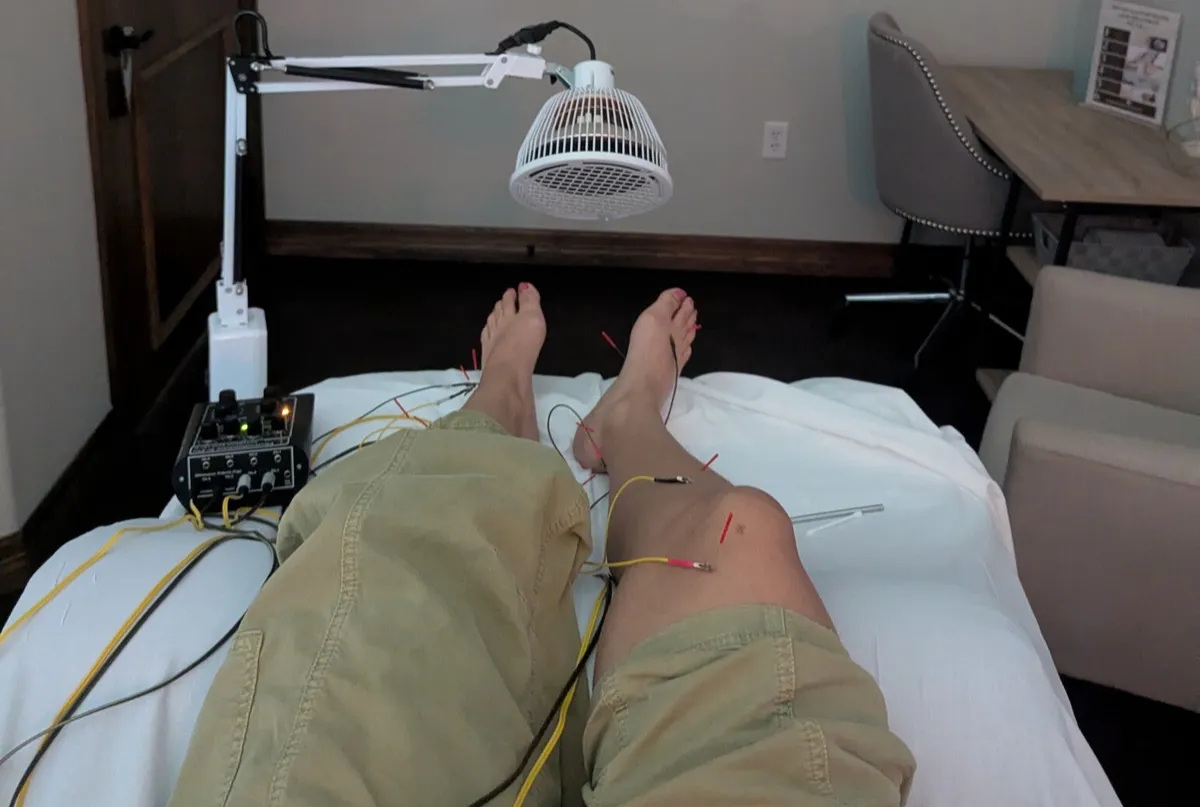
Your personalized care plan may include:
Acupuncture
Cupping Therapy
Deep Tissue & Therapeutic Massage
Electroacupuncture (E-Stim)
Gua Sha
Herbal Medicine
Tongue diagnosis
The goal is not fewer drugs for the same number of headaches. The goal is a nervous system that stops generating them at the rate it has been.
— SHOULDER & ROTATOR CUFF
Shoulder Pain & Rotator Cuff Relief
Shoulder pain has a way of colonizing your entire life. It's there when you reach for something in a cabinet. It wakes you up when you roll onto it at night. It makes the gym impossible, the workday uncomfortable, and simple tasks — putting on a jacket, lifting a bag — into things you consciously dread.
And the frustrating part is that most shoulder pain is not about the shoulder. It's about what's happening in the surrounding tissue, the joint capsule, the cervical spine, and the neurovascular environment feeding the rotator cuff — none of which an X-ray or even an MRI fully captures.
At On Point Acupuncture & Wellness, we treat shoulder pain as the systemic musculoskeletal and circulatory problem it actually is. Whether you're dealing with frozen shoulder that has progressively stolen your range of motion, a rotator cuff that never quite healed after an injury, or chronic shoulder tension that's been building for years — the mechanisms driving your pain are addressable. That's not optimism. That's how tissue healing actually works when you stop managing symptoms and start treating causes.
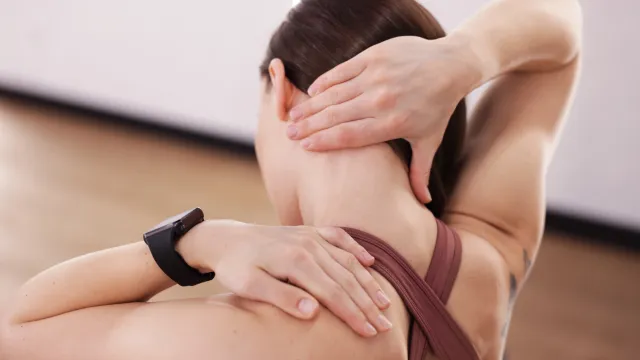
What's Actually Happening in Your Shoulder
The shoulder is the most mobile joint in the human body — and that mobility comes at the cost of inherent stability. The rotator cuff (a group of four muscles: supraspinatus, infraspinatus, teres minor, and subscapularis) is the primary stabilizer of that joint, working constantly to keep the humeral head centered in the socket during every arm movement. When any part of that system becomes injured, inflamed, or chronically dysfunctional, the entire shoulder complex pays for it.
The most common presentations we treat:
Rotator cuff tendinopathy or partial tears — chronic overuse, degeneration, or acute injury creating pain with overhead movement, reaching, and lifting. The supraspinatus is the most commonly affected tendon
Frozen shoulder (adhesive capsulitis) — the joint capsule thickens and contracts, progressively restricting range of motion in all planes. Often begins with pain, transitions to stiffness, and resolves slowly — unless the inflammatory and circulatory environment driving it is actively addressed
Shoulder impingement syndrome — the rotator cuff tendons and bursa become compressed under the acromion with overhead movement, creating pain, inflammation, and gradual tendon degeneration if left untreated
Bursitis — inflammation of the subacromial bursa, often coexisting with impingement or tendinopathy, creating a constant aching presence in the shoulder and upper arm
Chronic muscular tension — the upper trapezius, levator scapulae, and pectorals chronically overloaded from posture, stress, and desk work, creating a different pain pattern that loads the shoulder joint from above and anterior
How We Treat Shoulder & Rotator Cuff Pain at On Point
Your personalized care plan may include:
Acupuncture
Cupping Therapy
Deep Tissue & Sports Massage
Electroacupuncture (E-Stim)
Gua Sha
Herbal Medicine
Tongue diagnosis
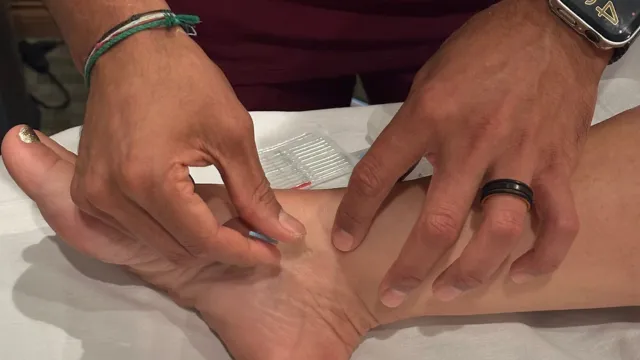
Rotator cuff injuries have a reputation for being slow to heal. That reputation was earned in environments without consistent acupuncture. The circulatory and tissue repair mechanisms that acupuncture drives are precisely what tendons need and what passive rest cannot provide.
— KNEE & HIP PAIN
Knee & Hip Pain Relief
Knee and hip pain rarely exist in isolation. The hip determines how the knee loads. The knee compensates for what the hip can't do. When one goes, the other follows — and before long you've got a movement pattern built entirely around avoiding pain rather than producing it.
You know this because you've been living it. The stairs you take slowly. The morning stiffness that requires a full lap around the kitchen before you feel human. The workouts you've modified, then modified again, then quietly stopped. The surgery your orthopedist mentioned that you're not ready for — or that you've already had and are still waiting to feel fully recovered from.
Knee and hip pain are among the most treatable conditions in our practice. Not because the structural changes driving them disappear — but because so much of the pain, stiffness, and functional limitation is driven by inflammation, circulatory stagnation, and protective muscular guarding that acupuncture directly addresses. Changing that internal environment changes what your joint can do. That's the work.

What's Actually Happening in Your Knee
The knee is a hinge joint under enormous load — three to five times body weight per step, up to eight on stairs. With little built-in stability, it relies on surrounding muscle and cartilage. When one part gives, the whole joint pays.
The knee presentations we treat most:
Osteoarthritis — cartilage breakdown and bone-on-bone pain with weight-bearing. Most common after 50, and tied directly to the joint’s inflammatory environment.
Patellofemoral syndrome (runner’s knee) — the kneecap tracks wrong, causing pain with stairs and squats. Almost always driven by hip weakness and quad imbalance upstream.
IT band syndrome — lateral knee pain from a tight IT band. The band is rarely the real problem — hip abductor weakness and gait mechanics are.
Meniscus irritation or partial tears — joint-line pain with swelling and a mechanical catch. Responds well to acupuncture’s anti-inflammatory stimulus.
Patellar tendinopathy (jumper’s knee) — tendon degeneration at the kneecap, common in jumping athletes. One of our highest responders to electroacupuncture tendon-repair protocols.
Post-surgical knee — after replacement or ACL reconstruction, acupuncture speeds tissue healing and range-of-motion recovery.
What's Actually Happening in Your Hip
The hip is a ball-and-socket joint built for mobility and load — and its dysfunction doesn’t stay put. It loads the knee, low back, and SI joint all at once.
The hip presentations we treat most:
Hip osteoarthritis — cartilage wear causing groin, lateral, or referred knee pain. Heavily inflammation-driven, so far more modifiable than most patients are told.
Greater trochanteric bursitis — inflamed lateral-hip bursa; pain with walking, stairs, and lying on that side. One of the fastest responders to acupuncture and cupping.
Hip flexor tendinopathy — overloaded iliopsoas and rectus femoris causing anterior hip pain. Common in runners, cyclists, and heavy sitters.
Piriformis syndrome — the piriformis compresses the sciatic nerve, mimicking sciatica but originating in the hip. Widely underdiagnosed.
Labral tears — a torn socket ring causing clicking and deep groin pain. We manage the inflammation and compensation around it — conservatively and post-surgically.
Post-surgical hip — early acupuncture after replacement cuts inflammation and restores function ahead of conventional timelines.
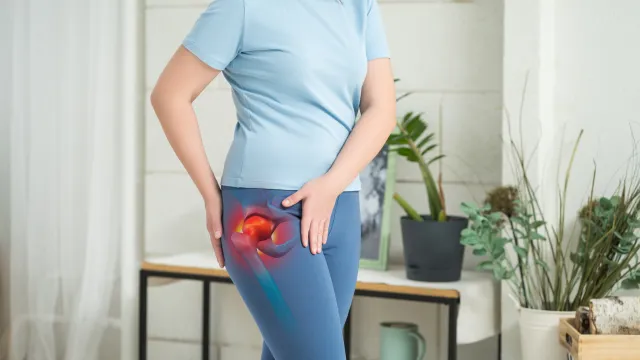
How We Treat Knee & Hip Pain at On Point
Your personalized care plan may include:
Acupuncture
Cupping Therapy
Deep Tissue & Sports Massage
Electroacupuncture (E-Stim)
Gua Sha
Herbal Medicine
Tongue diagnosis
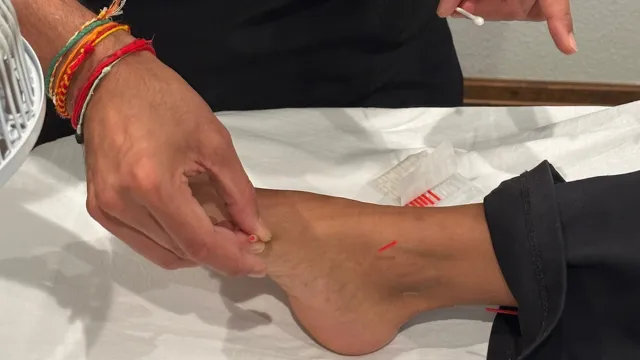
The question for most knee and hip patients is not whether acupuncture works. It's whether you start before the window for conservative management closes — or after.
F.A.Q.s
Does acupuncture actually work for chronic pain, or is it just temporary relief?
Both — and that's the point. The first few sessions calm the nervous system and reduce pain (Phase 1: Relief). But the real work happens underneath: improved blood flow to the injured tissue so it can actually heal (Phase 2), not just feel better for a weekend. That's the difference between managing pain and resolving it.
How many acupuncture sessions will I need for pain relief?
Most patients feel a shift within 3–6 visits. Chronic pain that's been building for years typically needs 8–12 sessions to create lasting change, then tapers to monthly maintenance. Consistency compounds — sporadic visits give sporadic results.
What types of pain does acupuncture treat?
At our Southlake clinic we regularly treat back pain, neck pain, arthritis, joint pain, fibromyalgia, sciatica, and TMJ. If your pain has a nervous system and a blood supply — and it does — acupuncture has a way in.
Does acupuncture hurt?
The needles are about the width of a human hair — most patients feel a brief tap, then nothing. In fact, many fall into what we call an AcuNap: a deep, restorative rest state your nervous system drops into during treatment. Pain patients are usually the ones who fall asleep fastest.
What is electroacupuncture, and is it better for pain?
Electroacupuncture adds a gentle micro-current to the needles — think of it as turning the dial up on the reset signal. For stubborn chronic pain, arthritis, and nerve-related pain, it consistently produces stronger, faster results than needles alone.
Why do you look at my tongue if I'm here for back pain?
Because your tongue is a status report on your whole system — circulation, inflammation, metabolism. Two people with identical back pain can need completely different treatments. Tongue diagnosis tells us why your body is stuck, not just where it hurts.
Can acupuncture help if injections, medications, or chiropractic haven't?
Often, yes — because it works on a different problem. Medications mask signals and injections quiet one spot. Acupuncture resets the dysregulated nervous system driving the pain and restores blood flow so tissue heals. Your body isn't broken; it's stuck in the wrong gear.
I'm not sure acupuncture is right for my pain. Can I talk to someone first?
Absolutely. Book a free 10–15 minute Treatment Strategy Call with Kalpesh. No pressure, no obligation — just clarity on whether acupuncture fits your situation. If you're ready to start, skip the call and book your first visit directly.
Serving Southlake, TX, and Beyond

2500+
Patients Helped Over The Years

15+
Years of Hands On Experience

100+
5 Stars Google Reviews
FOLLOW US


LINKS
CONTACT US
PHONE: (972) 863-2895
EMAIL: info@opawellness.com
WE ACCEPT INSURANCE
Copyright 2026. On Point Acupuncture & Wellness.
All Rights Reserved.