Neurological Care & Nerve Rehabilitation
The nervous system governs everything — movement, sensation, pain, cognition, and the body's ability to heal. When it's damaged, dysregulated, or stuck in a chronic alarm state, the effects reach every corner of your life. At On Point Acupuncture & Wellness, we specialize in the conditions conventional medicine struggles most to treat — because acupuncture speaks the nervous system's language directly.
15+
Years treating pain
2,500+
Patients treated
95%+
Report significant improvement

— NEUROLOGICAL CARE & NERVE REHABILITATION
Most neurological conditions share one reality: the nervous system is damaged, misfiring, or stuck in a state it can't exit alone. Conventional medicine excels at the acute event — stopping a stroke, diagnosing Bell's Palsy, catching neuropathy. What it rarely offers is a path forward afterward.
That's the gap we fill.
Acupuncture acts directly on the nervous system — stimulating nerve conduction, calming inflammation, restoring circulation, and quieting a pain system stuck in overdrive. Documented, measurable effects. Felt by patients told, "This is as good as it gets."
It rarely is.
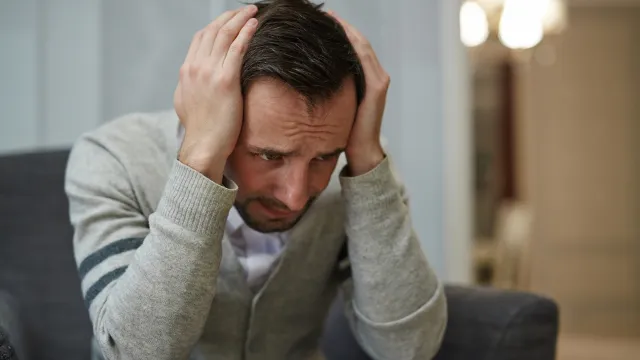
— CONDITIONS WE TREAT
Click any condition for a full explanation of how we address it.
Stimulates nerve pathways, restores circulation to affected tissue, and reactivates the neuroplastic potential your rehabilitation team may have stopped looking for.
Reactivates dormant nerve pathways, reduces facial nerve inflammation, and dramatically accelerates recovery when treatment starts early.
We treat the upstream drivers — cervical tension, vascular dysregulation, hormonal fluctuation — so migraines become less frequent, less severe, and eventually less inevitable.
Temporomandibular joint dysfunction - one of acupuncture's highest success rate conditions.
Calms an overactive nervous system and supports focus, sleep, and emotional regulation, so the brain can settle into steadier attention. Works alongside your current care, not instead of it.
— WHY ON POINT FOR PAIN
Not every acupuncturist treats pain the same way.
Pain is the most common reason patients come to acupuncture — and the condition where technique, depth of assessment, and treatment planning matter most.
1. Root issue assessment first
Before a single needle is placed, Kalpesh maps the full picture — tongue diagnosis, posture, movement patterns, lifestyle, stress load. Treatment plans address what's driving the pain, not just where it is.
2. Kalpesh treats every patient personally
No rotating staff. No hand-offs. The same practitioner who assesses you, plans your protocol, and delivers every session. Continuity is critical in pain resolution.
3. You leave knowing more than when you arrived
Every session includes education — what your tongue tells us, what's happening in your nervous system, what to do between appointments. You become an active participant in your recovery.
4. Honest timelines, not open-ended treatment
At your initial visit you'll receive a realistic estimate — number of sessions, expected timeline, measurable milestones. No vague "we'll see how it goes."

— OUR APPROACH
We don’t just treat symptoms. We help your nerves reconnect.
Every patient leaves knowing more about how their nervous system heals than when they arrived. Tongue diagnosis, electroacupuncture, breathing, circulation, and TCM dietary guidance: the foundation for steady, lasting nerve recovery.
Tongue diagnosis — your body's real-time dashboard
Electroacupuncture to stimulate nerve pathways and muscle response
Breathing techniques that calm an overactive nervous system
Circulation support that brings blood flow to healing nerves
Daily habits that build on progress between sessions
— STROKE RECOVERY
Stroke Recovery
After a stroke, most patients are told: "This is as good as it gets." That statement is offered with the best of intentions — but it reflects the limits of what conventional rehabilitation alone can achieve, not the limits of what your nervous system can do.
The brain has a documented capacity for neuroplasticity — the ability to reorganize itself, form new neural connections, and restore function to areas affected by stroke damage. That capacity doesn't expire at the end of your inpatient stay. It remains available long after conventional therapy has plateaued — and acupuncture is one of the most powerful tools available for continuing to activate it.
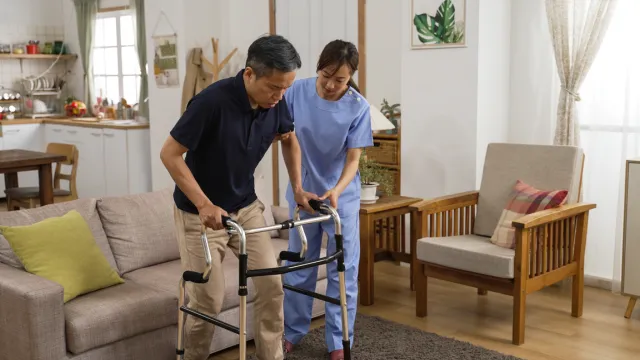
What's happening after a stroke:
A stroke deprives brain tissue of oxygen, causing cell death in the affected region and disrupting the neural pathways governing movement, sensation, speech, and coordination on one or both sides of the body. The surrounding tissue — the penumbra — survives but remains functionally impaired, often due to inflammation, poor circulation, and the nervous system's failure to restore normal signaling through damaged pathways.
This is where acupuncture intervenes directly.
What we address:
Post-stroke weakness and paralysis on one side
Numbness, tingling, or altered sensation in affected limbs
Spasticity — chronic muscle tightening and rigidity
Facial paralysis following stroke
Difficulty walking, balance impairment, and coordination challenges
Speech and cognitive recovery support (adjunctive)
Fatigue and neurological exhaustion
Emotional dysregulation and post-stroke depression
How We Treat Stroke Recovery at On Point:
Your personalized care plan may include:
- Acupuncture — neurological activation protocols
Scalp acupuncture (a specialized system developed specifically for neurological conditions) targets the cortical zones governing motor function, sensory processing, and speech.
Body acupuncture along the affected channels restores the flow of Qi and Blood through the limbs and face — reducing the stagnation that compounds neurological impairment and preventing the atrophy and contracture that follow prolonged disuse.
- Cupping & Gua Sha
For the chronic spasticity, contracture, and circulatory stagnation that develops in affected limbs over months or years post-stroke, cupping and gua sha restore tissue mobility, improve regional blood flow, and break up the myofascial restriction that makes movement painful and effortful.
- Electroacupuncture (E-Stim)
Applied between needles in the affected musculature, electroacupuncture produces active motor nerve stimulation — reactivating the neuromuscular pathway between the brain and the muscles it has lost reliable communication with. For stroke patients with significant weakness or spasticity, e-stim produces measurable improvements in muscle activation and voluntary movement that represent genuine neuroplastic change. This is not compensation. It is recovery.
- Herbal Medicine
Classical post-stroke formulas — most notably modifications of Bu Yang Huan Wu Tang — are among the most well-researched herbal formulas in TCM for stroke rehabilitation. The formula moves Blood, reduces stagnation, and tonifies the Qi needed to drive recovery. Taken consistently between sessions, it provides continuous neurological support that in-office treatment cannot replicate alone.
Stroke recovery does not have a deadline. Neuroplasticity is not time-limited — it is input-limited. The patients who make the most meaningful gains after a stroke are the ones who keep providing the stimulus.
FAQ's
How soon after a stroke can I start acupuncture?
Once medically stable and cleared by your neurologist or primary care physician, acupuncture can begin. Many patients start within the first few weeks post-stroke. Earlier intervention generally produces better outcomes — but patients who begin months or years after their stroke still achieve meaningful improvement. There is no window that closes.
Is acupuncture safe after a stroke, given blood thinners and other medications?
Yes. We review your full medication list at your first visit. Most anticoagulants and post-stroke medications present no contraindication to acupuncture when performed by a licensed practitioner using sterile disposable needles and appropriate technique. We communicate with your medical team and work within your care protocol.
Can acupuncture help if my stroke was years ago and my recovery has plateaued?
Yes — and this is one of our most common presentations. Plateaus in conventional rehabilitation reflect the limits of the tools being applied, not the limits of your nervous system's remaining capacity. Acupuncture provides a different stimulus through different mechanisms. Patients who have been "stable" for one to five years post-stroke regularly experience renewed improvement with consistent acupuncture. The neuroplastic window is longer than most patients have been told.
Will acupuncture replace my physical or occupational therapy?
No — and we don't position it that way. Acupuncture works most effectively alongside PT and OT, not instead of them. PT and OT drive functional movement retraining. Acupuncture improves the neurological and circulatory environment in which that retraining happens. Patients who combine all three consistently outperform those relying on any single approach.
— BELL'S PALSY
Bell's Palsy
Bell's Palsy doesn't just affect your face. It affects how you see yourself in every mirror, every camera, every conversation. The sudden loss of facial movement — the drooping, the inability to close one eye, the asymmetry that wasn't there when you woke up — carries a psychological weight that its clinical description completely fails to capture.
Most patients are told to wait. To rest. To take antivirals and hope it resolves on its own within a few months. For many, it does — partially. The full resolution that was promised doesn't always come. Residual weakness, synkinesis (abnormal movement patterns that develop as the nerve attempts to rewire), and chronic facial tightness become the new normal.
It doesn't have to be.
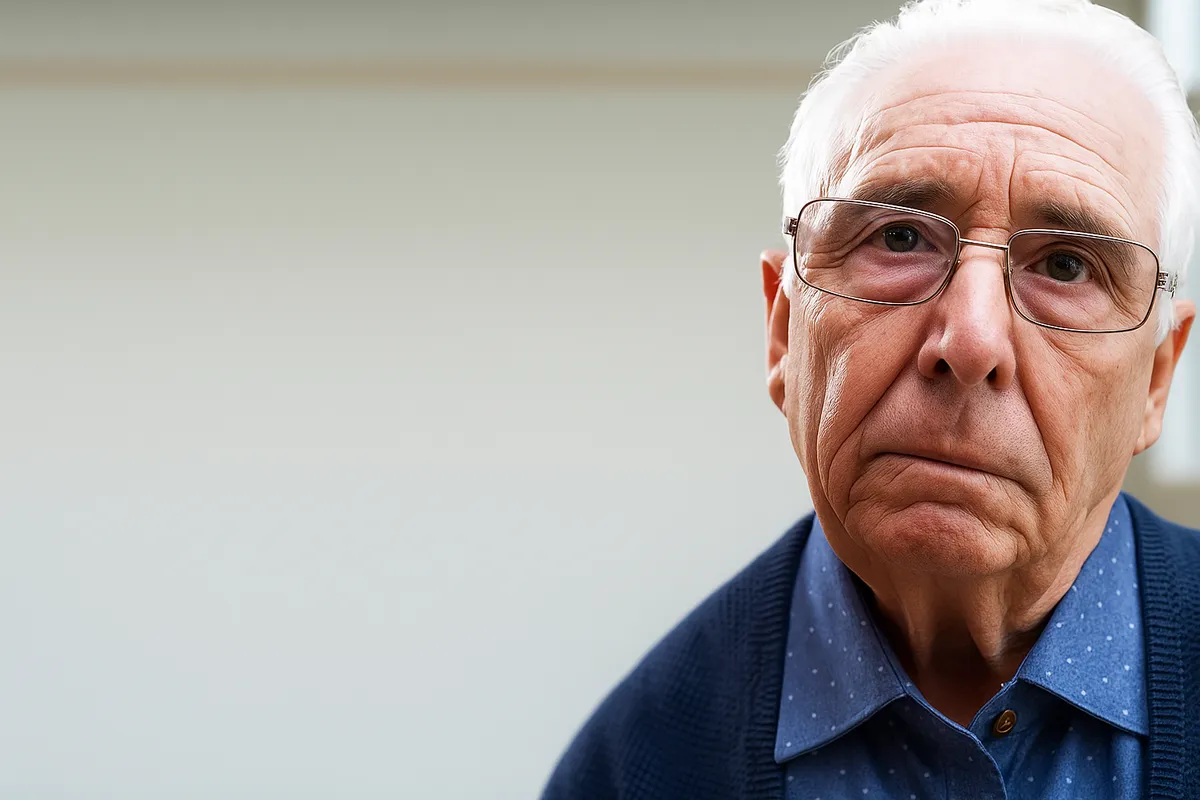
What's Actually Happening in Your Body
Bell's Palsy is caused by inflammation and compression of the facial nerve (cranial nerve VII) — most commonly triggered by viral reactivation (herpes simplex or varicella-zoster), leading to demyelination of the nerve sheath and disruption of the electrical signals governing facial muscle movement.
The nerve is intact. The signaling is disrupted. That distinction matters — because an intact nerve can recover, and acupuncture provides the stimulus that accelerates and completes that recovery.
What we address:
Facial drooping — forehead, cheek, and mouth
Inability to fully close the affected eye
Loss of expression on one side
Altered taste sensation
Hypersensitivity to sound (hyperacusis)
Facial tightness and discomfort
Synkinesis — involuntary co-movements during recovery
Residual weakness from incomplete recovery
How We Treat Bell's Palsy at On Point:
Your personalized care plan may include:
- Acupuncture — local and distal protocol
Local needling along the affected facial nerve distribution reactivates dormant nerve pathways, reduces the inflammatory compression on the facial nerve, and restores circulation to the hypoxic tissue surrounding the demyelinated nerve sheath. Points along the stomach, large intestine, triple burner, and gallbladder meridians traverse the face and jaw — providing both local stimulation and systemic anti-inflammatory regulation.
- Herbal Medicine
Formulas that expel Wind-Cold invasion (the TCM mechanism most commonly associated with Bell's Palsy), reduce nerve inflammation, and nourish the Blood and fluids required for nerve sheath repair. Particularly valuable in the acute phase when needle stimulation must remain gentle — herbal medicine provides aggressive internal treatment while in-office treatment is appropriately conservative.
- Electroacupuncture — nerve reactivation
In the subacute and recovery phases, gentle electroacupuncture between facial points provides the sustained electrical stimulus that reactivates motor nerve conduction along the facial nerve pathway. This is the mechanism that separates partial recovery from full recovery in many Bell's Palsy patients — the electrical input that tells the nerve to complete its repair rather than settling into a chronic partial-function state.
- Gua Sha
Applied gently along the affected facial musculature in the recovery phase to break up fascial restriction, restore tissue mobility, and prevent the adhesion formation that contributes to synkinesis and residual facial asymmetry.
Timing matters critically in Bell's Palsy. In the acute phase (first two weeks), we use lighter stimulation and fewer local needles to avoid overstimulating an actively inflamed nerve. As the acute inflammation resolves, treatment intensity increases to drive the nerve repair and muscle reactivation that determines the completeness of recovery.
FAQ's
When should I start acupuncture for Bell's Palsy?
As soon as possible — ideally within the first week of onset. The acute inflammatory phase is when acupuncture's anti-inflammatory mechanisms are most impactful, and early intervention prevents the nerve pathway dormancy that makes later recovery longer and less complete. If you've had Bell's Palsy for weeks, months, or longer without full resolution, it's not too late — but start now rather than waiting further.
My Bell's Palsy is six months old and my face still hasn't fully recovered. Can acupuncture still help?
Yes. Chronic Bell's Palsy — incomplete recovery beyond three to six months — is one of our most consistently treated presentations. The nerve pathway is still present and capable of reactivation. What's missing is the sustained stimulus to complete the repair. Acupuncture provides that stimulus directly. Patients with residual weakness months or years after initial onset regularly achieve meaningful improvement with a dedicated course of care.
How many sessions will I need?
For acute Bell's Palsy starting treatment early, most patients see significant improvement within 6–10 sessions. For chronic or incomplete recovery, a longer initial course of 12–16 sessions is typically needed to achieve the full recovery potential remaining. Kalpesh will give you a specific projection after your first visit assessment based on the degree of facial involvement and the timeline of your presentation.
Will the synkinesis (abnormal co-movements) improve with acupuncture?
Yes — synkinesis is addressable, though it requires a specific approach. Electroacupuncture and targeted gua sha along the aberrant movement pathways, combined with acupuncture that quiets the hyperactive nerve signaling driving the co-movements, consistently reduce synkinesis severity over a sustained course of care.
— HEADACHES & MIGRAINES
Headaches & Migraines
Migraines are not bad headaches. They are full neurological events — the prodrome hours before pain arrives, the aura that distorts your vision, the throbbing that makes light and sound unbearable, the postdrome exhaustion that follows like a hangover you didn't earn. And if you've been managing them with triptans, preventive medications, or a dark room and a locked door, you already know what medication does and doesn't do.
It manages the event. It does nothing about the frequency, the threshold, or the pattern generating the next one.
That's the upstream work acupuncture does.
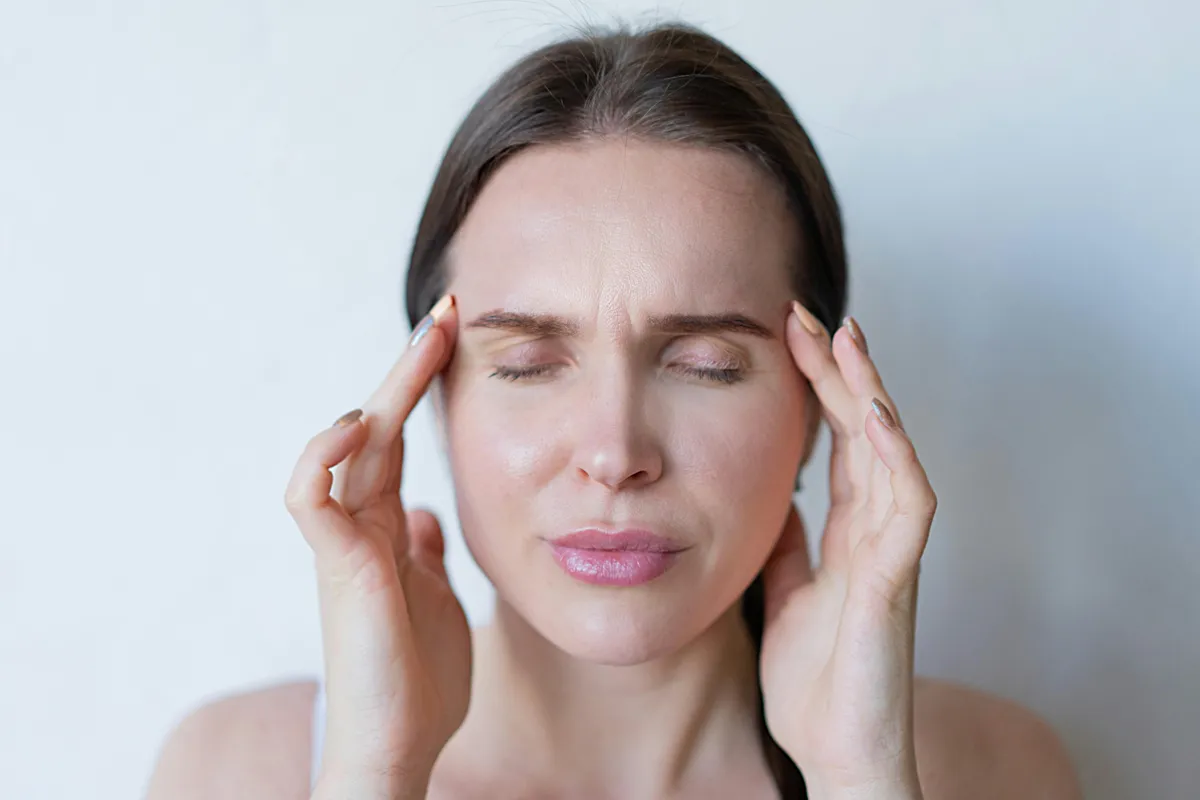
What's driving your headaches
Cervicogenic tension — tight suboccipital muscles, upper trapezius, and SCM refer pain directly into the skull, temples, and behind the eyes. The single most underaddressed driver of chronic tension headaches and a major migraine trigger
Vascular dysregulation — migraines involve abnormal dilation and constriction of cerebral blood vessels, driven by a sensitized trigeminal nerve system that acupuncture directly modulates
Hormonal fluctuation — estrogen fluctuation across the menstrual cycle is one of the most consistent migraine triggers in women. Menstrual migraines, periovulatory headaches, and perimenopausal pattern changes all reflect the same underlying hormonal dysregulation
Liver Qi Stagnation — in TCM the most common constitutional pattern in migraine sufferers. The liver meridian traverses the top of the head; when Liver Qi stagnates under chronic stress, it rises and creates the throbbing, pressure-dominant, unilateral pain pattern of classic migraine
Kidney and Liver Yin Deficiency — produces dull, chronic, heat-type headaches with fatigue, tinnitus, and light sensitivity, often worse in the afternoon
Damp-Phlegm obstruction — heavy, foggy headaches with nausea and significant weather sensitivity
If your migraines track with your menstrual cycle — arriving before, during, or after your period — this is one of the most treatable migraine patterns we see. A cycle-aware acupuncture and herbal protocol addresses the estrogen fluctuation driving them directly. Many patients eliminate menstrual migraines entirely within two to three cycles of consistent treatment.
FAQ's
Can acupuncture prevent migraines or does it only help during an attack?
Both — but prevention is where acupuncture is most powerful. Multiple randomized controlled trials have shown acupuncture to be as effective as prophylactic medication for migraine prevention, with fewer side effects and without rebound headache risk. For acute migraine management, specific acupuncture and acupressure points can reduce intensity during an attack — but building the preventive foundation is the primary strategy.
My migraines are hormonal. Can acupuncture help?
Yes — and this is one of our highest-success presentations. Menstrual migraines are driven by the estrogen drop in the late luteal phase, which triggers the vascular and neurological cascade of a migraine in predisposed individuals. A cycle-phase-aware acupuncture protocol combined with targeted herbal support addresses this pattern directly. Most patients with menstrual migraines see significant improvement within two to three cycles.
I take triptans. Can I still do acupuncture?
Absolutely. Acupuncture works through entirely different mechanisms than triptans and there is no contraindication. Many patients use acupuncture specifically to reduce how frequently they need triptans — moving from multiple times per week to once a month or less. Any medication changes remain your neurologist's decision.
How is this different from just getting a neck massage for my headaches?
Massage addresses the muscular layer. Acupuncture addresses the nervous system, vascular regulation, and constitutional TCM pattern beneath it. The most effective approach combines both — which is exactly how we structure treatment.
— NEUROPATHY & NERVE PAIN
Neuropathy & Nerve Pain
Neuropathy doesn't stay in your feet. The burning that wakes you at 2am, the tingling that makes every step feel uncertain, the electric shocks that arrive without warning, the numbness that's stolen the sensation from your hands — it infiltrates your sleep, your mobility, your confidence, and your sense of what a normal day feels like.
You've probably been told to manage it. To adjust your expectations. To try a medication that dulls the symptoms while the underlying nerve damage continues unchecked.
We don't accept that as the ceiling.
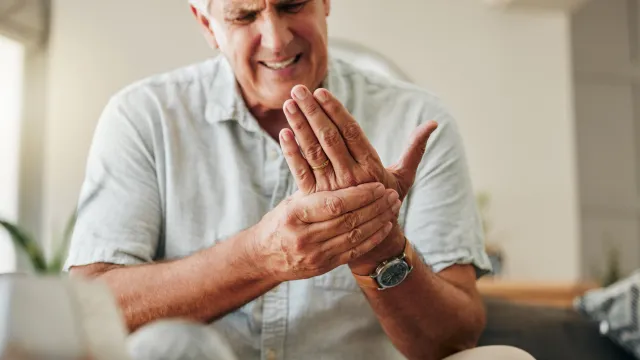
What's actually happening
Peripheral neuropathy occurs when the peripheral nerves — those extending from the spinal cord to the limbs and organs — become damaged, dysfunctional, or chronically hypersensitized.
The causes vary: diabetic microvascular damage starving nerves of blood supply, chemotherapy agents that are directly toxic to nerve tissue, metabolic disruption affecting nerve conduction, inflammatory damage, or idiopathic processes that conventional medicine labels "unexplained."
What we treat:
Peripheral neuropathy — burning, tingling, numbness, electric pain
Diabetic neuropathy — foot and lower extremity nerve damage
Chemotherapy-induced peripheral neuropathy (CIPN)
Post-injury nerve damage
Carpal tunnel and entrapment neuropathies
Small fiber neuropathy
Idiopathic neuropathy — "unexplained" nerve symptoms
Burning feet syndrome
Restless leg syndrome with neuropathic component
How We Treat Neuropathy at On Point
Your personal care may consist of:
Acupuncture
Electroacupuncture (E-Stim)
Herbal Medicine
LED Therapy
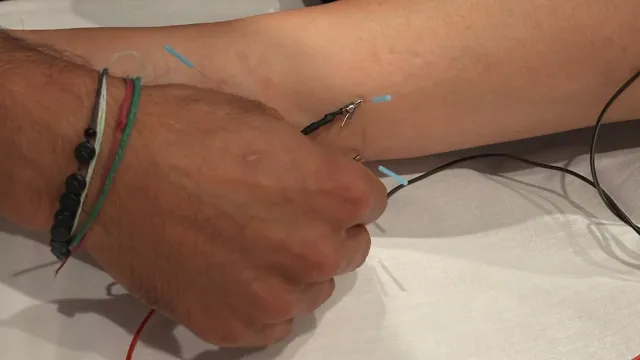
Neuropathy worsens over time without intervention. The question is not whether to treat it — it's whether to treat it now, while more nerve function remains, or later, when there's less to work with.
FAQ's
Can acupuncture actually repair nerve damage, or does it just reduce pain?
Both mechanisms are in play — and the distinction matters. Pain reduction happens through endorphin release, nervous system modulation, and anti-inflammatory signaling. Nerve repair support happens through a different mechanism: increased peripheral blood flow to hypovascular nerve tissue, reduction of the inflammatory environment damaging the myelin sheath, and the electrical stimulus that promotes remyelination. These are not the same thing, and both are clinically meaningful for neuropathy patients.
I have diabetic neuropathy. Will acupuncture interfere with my diabetes management?
No. Acupuncture works through neurological and circulatory mechanisms that do not interfere with insulin, metformin, or other diabetes medications. We review your full medication list and blood sugar management protocol at your first visit. Many patients with diabetic neuropathy experience improved peripheral circulation and reduced neuropathic symptoms alongside their standard diabetes management — the two approaches are fully complementary.
My neuropathy is from chemotherapy. Can acupuncture help CIPN?
Yes — and chemotherapy-induced peripheral neuropathy is one of the most actively researched applications of acupuncture in oncology supportive care. CIPN responds to the same core mechanisms: improved peripheral circulation, anti-inflammatory effect on nerve tissue, and electroacupuncture-driven nerve repair stimulus. Many oncology centers now recommend acupuncture as part of CIPN management. We coordinate with your oncology team and work within your overall care protocol.
How long will it take to feel a difference?
Most neuropathy patients notice meaningful improvement in pain and sleep within four to six sessions. The timeline depends on how long neuropathy has been present, the underlying cause, and the degree of nerve damage. Early-stage neuropathy responds faster than long-standing cases — another reason to start sooner rather than waiting for symptoms to worsen. Kalpesh gives you a specific and honest timeline projection after your first visit.
Do you accept insurance for neuropathy treatment?
Yes. Neuropathy is covered as a chronic pain and neurological condition under our BCBS and UHC/UMR contracts. Our team verifies your specific benefits before your first visit.
— ADHD & ADD SUPPORT
ADHD & ADD Support
ADHD is not a discipline problem. It is not a parenting failure. It is not something to push through with more effort, more structure, or more willpower.
It is a nervous system that is chronically dysregulated — wired for stimulation, resistant to settling, and running on a stress-response loop that makes focus, impulse control, and emotional regulation genuinely difficult in ways that sheer determination cannot fix.
For adults, it shows up as the career potential that keeps getting undermined by the inability to finish what you started. The relationships strained by impulsivity you can see happening in real time but can't stop. The exhaustion of spending all day managing yourself before you can manage anything else.
For children, it shows up as the kid who isn't bad — they're dysregulated. The one who can hyperfocus on Lego for three hours but can't sit through ten minutes of homework. The one the school says needs medication before anything else has been tried.
Medication has a role. But it is not the only role — and for many patients, it is not sufficient on its own. Acupuncture addresses the nervous system dysregulation driving ADHD at its source.
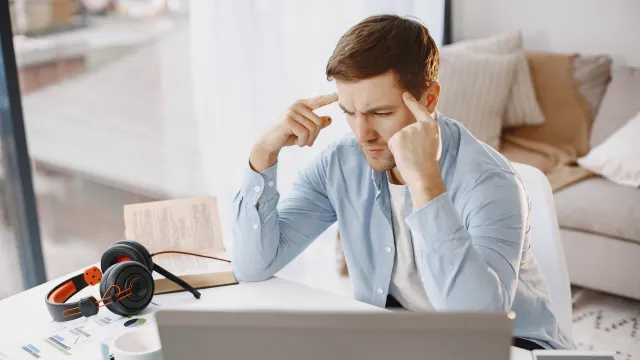
Each pattern requires a meaningfully different treatment strategy. This is why generic "calming" acupuncture produces inconsistent results in ADHD — and why pattern-specific diagnosis changes the outcome.
What's Actually Happening in the ADHD Brain & Nervous System
ADHD involves dysregulation of the dopamine and norepinephrine pathways governing attention, impulse control, working memory, and executive function. The prefrontal cortex — the brain's planning, filtering, and self-regulation center — is chronically underactivated relative to the limbic system's drive for novelty and stimulation. This is not a character flaw. It is a measurable neurological pattern.
Heart and Kidney disharmony — the most common pattern in children. The Heart governs the mind and emotional regulation in TCM; the Kidney governs deep constitutional energy and the capacity for sustained focus. When these two systems fall out of communication — often from constitutional factors, birth stress, or early developmental disruption — the result is a mind that can't anchor: restless, easily distracted, emotionally reactive, and resistant to settling.
Liver Qi Stagnation with Rising Yang — more common in adults and adolescents with significant emotional dysregulation, frustration intolerance, and impulsive anger. The Liver governs the smooth flow of Qi; when it stagnates under chronic stress it rises, creating agitation, hyperactivity, and the emotional volatility that characterizes this ADHD presentation.
Spleen and Heart deficiency — presents as the inattentive subtype: foggy, unfocused, easily fatigued, difficulty retaining information, poor working memory. The Spleen governs cognitive processing and the conversion of food into mental clarity in TCM; when deficient, the mind lacks the nutritive foundation for sustained attention.
How We Treat ADHD & ADD at On Point
Your personalized treatment may include:
Acupuncture: ADHD treatment at On Point begins with the same precision diagnostic intake that governs all of our care: tongue diagnosis, pulse assessment, and a thorough history of when symptoms are worst, what makes them better, and what the child's or adult's full health picture looks like.
AcuNap: The AcuNap protocol delivers something that is genuinely rare in the ADHD experience: the nervous system actually turns off.
Auricular Acupuncture (Ear Points): The ear contains a dense map of the entire nervous system — and auricular points targeting the sympathetic, shen men (spirit gate), kidney, and prefrontal cortex zones produce profound nervous system regulation effects.
Electroacupuncture (E-Stim): Applied at low frequency to key nervous system regulation points, electroacupuncture produces a stronger and more sustained dopaminergic and parasympathetic response than manual needling alone.
Herbal Medicine
Tongue diagnosis
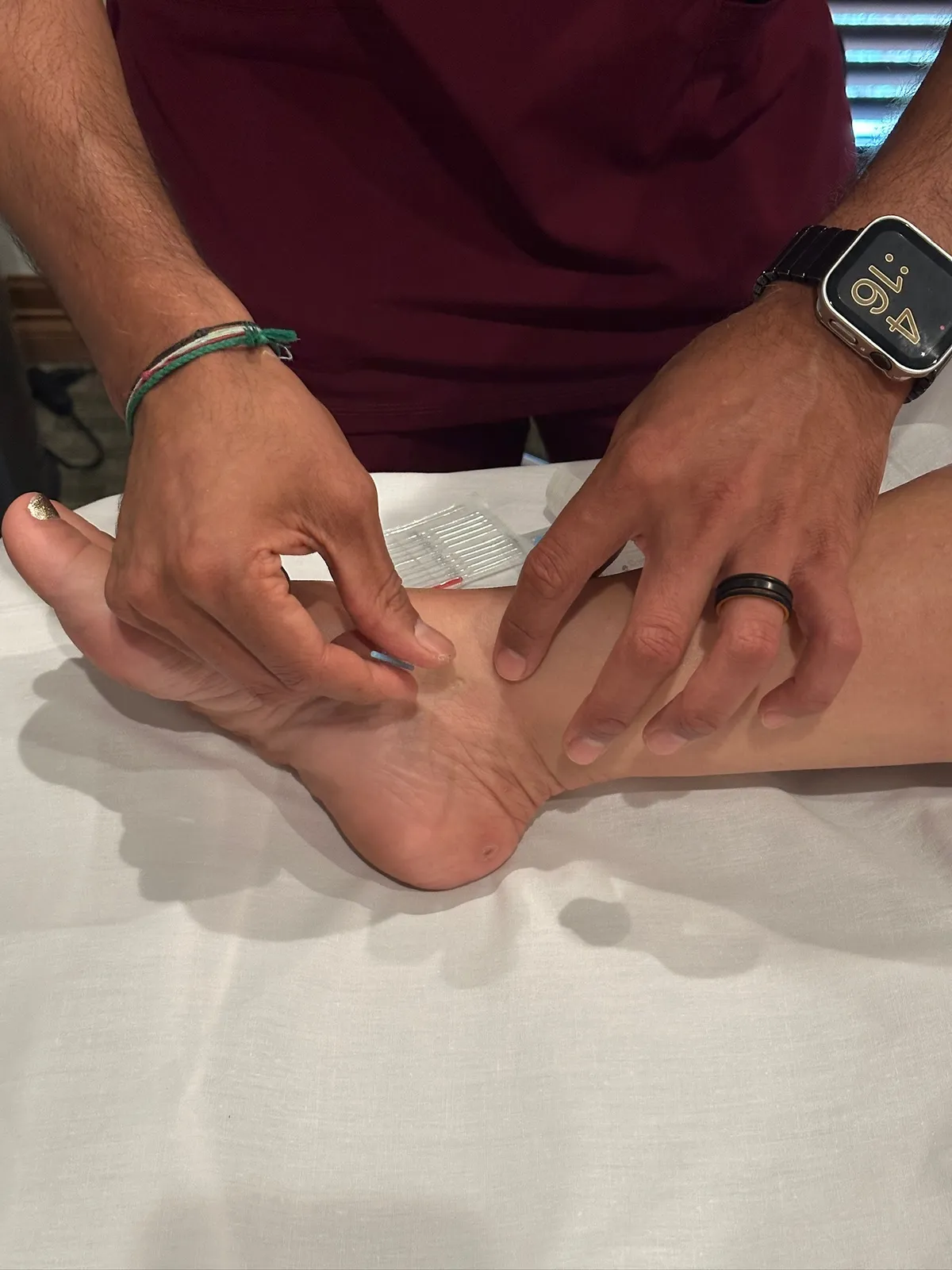
The ADHD nervous system learned to run hot. With the right input, consistently applied, it can learn to run regulated.
FAQ's
Can acupuncture actually help ADHD, or is this just relaxation?
Both relaxation and targeted neurological regulation are happening — but they are not the same thing. The parasympathetic shift acupuncture produces is a documented neurological state change, not a subjective sense of calm. That state change influences dopamine regulation, cortisol suppression, and the prefrontal-limbic balance that governs attention and impulse control. Patients consistently report improvements in focus, emotional regulation, and sleep that go well beyond what relaxation explains.
My child is already on medication. Can they still do acupuncture?
Yes — and this is one of our most common presentations. Acupuncture works through entirely different mechanisms than stimulant or non-stimulant ADHD medications and there is no contraindication. Many families use acupuncture specifically to improve the effectiveness of a lower medication dose — achieving better outcomes with less pharmaceutical load. Any medication adjustments remain your prescribing physician's decision.
My child is afraid of needles. Is acupuncture still an option?
Yes. Children's fear of acupuncture needles almost always dissolves within the first session — because acupuncture needles are nothing like the needles children associate with doctors and injections. They are hair-thin, cause minimal to no sensation on insertion, and most children are visibly relaxed within minutes of placement. For very young children or those with significant needle anxiety, auricular ear seeds provide a needle-free entry point.
At what age can children start acupuncture for ADHD?
We treat children as young as four to five years old for ADHD and behavioral regulation. Treatment for younger children uses fewer needles, lighter stimulation, and shorter retention times — adapted completely to the child's age, size, and comfort level. Auricular acupuncture and ear seeds are particularly well-suited for young children and often produce significant results with minimal needle exposure.
How is this different from therapy or behavioral interventions for ADHD?
Therapy and behavioral interventions address the cognitive and behavioral patterns of ADHD — teaching skills for managing the condition. Acupuncture addresses the underlying nervous system dysregulation that makes those skills so hard to learn and apply in the first place. Many families report that therapy becomes dramatically more productive after consistent acupuncture — because the nervous system is finally regulated enough to absorb and apply what's being taught.
Serving Southlake, TX, and Beyond
Conveniently located in Southlake, TX, our clinic serves as a premier destination for specialized IVF and IUI support locally and throughout the DFW area. Our hours are designed to accommodate the time-sensitive nature of fertility cycles, making it easy to prioritize your well-being and clinical requirements.

2500+
Patients Helped Over The Years

15+
Years of Hands On Experience

100+
5 Stars Google Reviews
FOLLOW US


LINKS
CONTACT US
PHONE: (972) 863-2895
EMAIL: info@opawellness.com
WE ACCEPT INSURANCE
Copyright 2026. On Point Acupuncture & Wellness.
All Rights Reserved.